The Biggest Myth About Aging
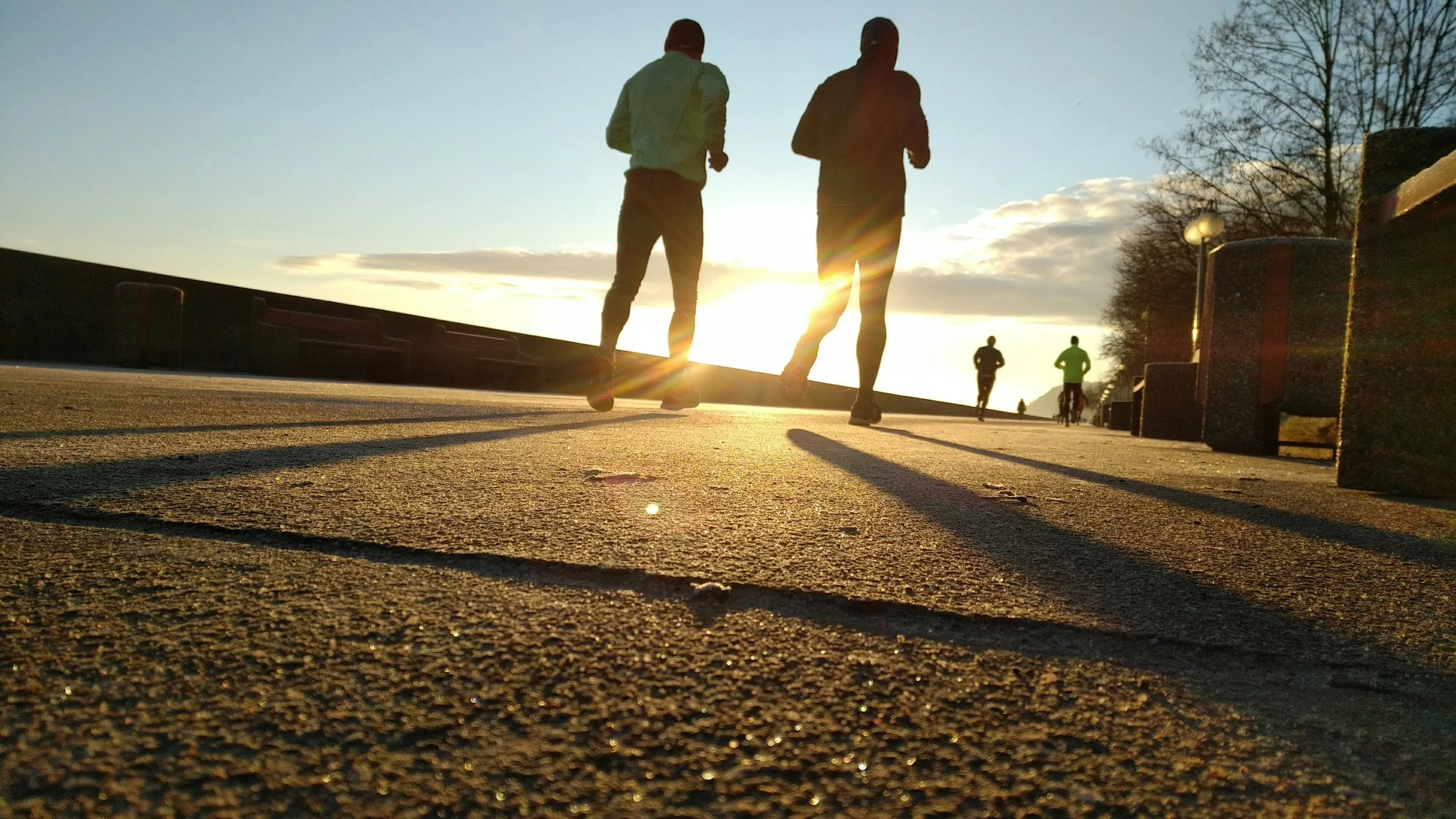
One of the biggest misconceptions about getting older is that feeling less capable is simply part of aging.
You hear it all the time:
"I'm getting older."
"My body just can't do what it used to."
While aging does bring natural changes, many of the things people blame on age aren't caused by age alone.
They're often the result of doing less over time.
Your body is incredibly adaptable.
And that's actually good news.
Your Body Adapts to What You Consistently Do
The human body is designed to respond to the demands placed on it.
If you regularly:
Walk
Lift weights
Climb stairs
Play golf
Hike
Garden
Chase your kids or grandkids
your body works to maintain the strength, mobility, balance, and coordination needed to do those things.
On the other hand, when activity gradually decreases, your body adapts to that too.
It begins letting those abilities go, not because it's failing, but because it no longer receives the signal that those abilities are needed.
Aging Doesn't Mean You Have to Stop Moving
Many people assume that slowing down is an unavoidable part of getting older.
In reality, one of the best ways to maintain independence and quality of life is to keep moving.
That doesn't mean training like you did in your twenties.
It means continuing to challenge your body in ways that match your goals, your lifestyle, and your current abilities.
For one person, that might mean:
Walking every morning
Playing pickleball
Strength training twice a week
Riding a bike
Taking weekend hikes
For someone else, it may simply mean feeling confident carrying groceries or climbing stairs without hesitation.
Every movement counts.
The Goal Isn't to Feel Twenty Again
Many people think staying active is about trying to turn back the clock.
It isn't.
Most active adults aren't chasing the same goals they had twenty years ago.
Today, the priorities often look different.
You might want to:
Travel comfortably
Play with your grandchildren
Enjoy a round of golf
Keep lifting at the gym
Stay independent
Continue hiking on vacation
Those goals are every bit as meaningful as running a marathon or setting a personal record.
The important thing is continuing to give your body a reason to keep doing them.
Small Habits Build Long-Term Capability
One workout won't determine how you move ten years from now.
Neither will one missed workout.
What matters is what you do consistently.
Small habits repeated over months and years have a powerful impact on:
Strength
Mobility
Balance
Endurance
Confidence
Overall function
Healthy aging isn't about being perfect.
It's about staying engaged with movement in a way that's sustainable for your life.
Why Movement Is an Investment in Your Future
One of the best reasons to stay active isn't because of how you'll feel tomorrow.
It's because of how you'll feel years from now.
Every walk.
Every strength session.
Every mobility exercise.
Every hike.
Every bike ride.
They're all investments in the future version of yourself.
The goal isn't simply to add years to your life.
It's to add more life to your years.
It's Never Too Late to Start
One of the most encouraging things about the human body is its ability to adapt.
Whether you're 35 or 65, your body can continue building strength, improving mobility, and increasing confidence when it's given the opportunity.
You don't have to be an athlete.
You just have to keep giving your body a reason to stay capable.
Frequently Asked Questions
Does aging always cause loss of strength?
Some changes naturally occur with age, but regular physical activity and strength training can help maintain muscle mass, mobility, and function throughout life.
What is the best exercise for healthy aging?
The best exercise is the one you'll do consistently. A combination of strength training, walking, balance work, and mobility exercises is often beneficial for maintaining long-term function.
Is it too late to become more active after 50?
No. People can improve strength, balance, mobility, and overall fitness at almost any age with an appropriate program.
Why does staying active matter as you get older?
Regular movement helps maintain independence, supports joint health, improves balance, and allows people to continue doing the activities they enjoy.