
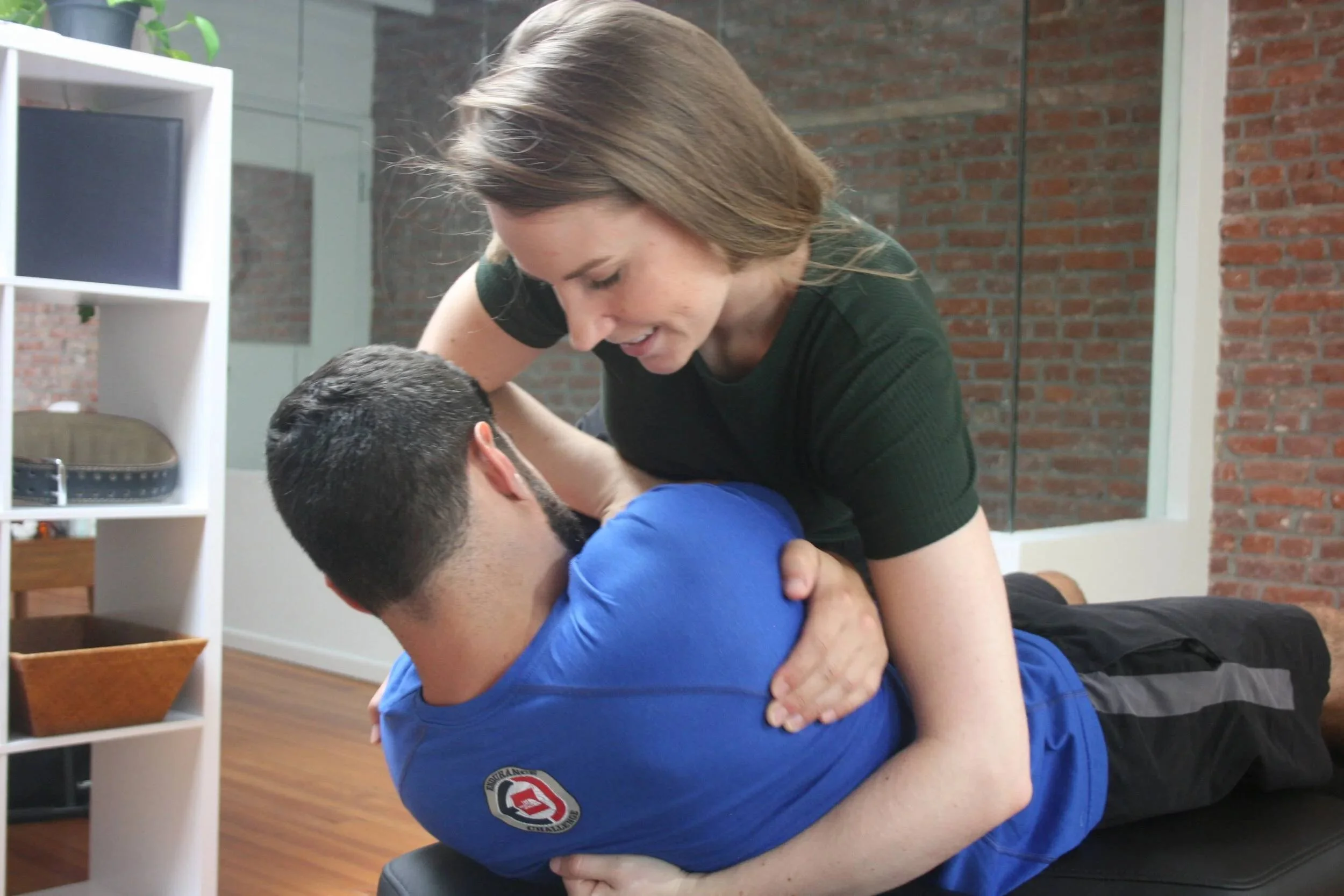
An inside look at our 1-on-1 treatment structure, techniques, and philosophy.
How We Approach Care
How We Approach Care
at Momenta
An inside look at our 1-on-1 treatment structure, techniques, and philosophy.
Why We Design Programs, Not Quick Visits
Why We Design Programs, Not Quick Visits
If you treat pain like a toggle switch, just turning it off for a few days before it flips back on, you never truly get better. We don’t run a transactional, visit-to-visit clinic.
Real structural change, tissue adaptation, and long-term strength require time, progressive load, and clinical consistency. That is why we map out comprehensive, goal-focused treatment plans up front, guaranteeing you receive the strategic oversight your body needs to permanently resolve the root cause of your pain.
If you treat pain like a toggle switch, just turning it off for a few days before it flips back on, you never truly get better. We don’t run a transactional, visit-to-visit clinic.
Real structural change, tissue adaptation, and long-term strength require time, progressive load, and clinical consistency. That is why we map out comprehensive, goal-focused treatment plans up front, guaranteeing you receive the strategic oversight your body needs to permanently resolve the root cause of your pain.
The Premium Support Ecosystem
The Premium Support Ecosystem
100% Doctor-Led Time
Every minute of your care is spent face-to-face with a Doctor of Chiropractic, never an uncertified aide or assistant.
Custom Home Exercise Program
Instantly access your specific exercises with high-definition video reminders, custom-built for your body, no generic paper handouts.
Direct Doctor Communication
Secure, direct app access to your provider between active sessions for urgent questions, plan adjustments, or quick form checks.
Inside Your 60-Minute Session
The Check-In & Re-Assessment (5-10 mins)
1
Reviewing how your body responded to your last session and testing critical active movement patterns.
Actively training your nervous system and muscles to utilize that new movement window safely.
Every movement is coached 1-on-1 by your doctor so your form is flawless and you leave each session knowing exactly what to focus on before your next visit.
2
Targeted Manual Therapy (20-25 mins)
Hands-on clinical therapy to instantly decrease pain levels and open up fresh, functional movement windows. Zero passive heating pad or machine stim time
Inside Your 60-Minute Session
1
3
2
The Check-In & Re-Assessment (5-10 mins)
3
Progressive Rehab Exercise (25-30 mins)
Targeted Manual Therapy (20-25 mins)
Progressive Rehab Exercise (25-30 mins)
Reviewing how your body responded to your last session and testing critical active movement patterns.
Hands-on clinical therapy to instantly decrease pain levels and open up fresh, functional movement windows. Zero passive heating pad or machine stim time.
Actively training your nervous system and muscles to utilize that new movement window safely. Every movement is coached 1-on-1 by your doctor so your form is flawless and you leave each session knowing exactly what to focus on before your next visit.
Chiropractic Adjustments – Targeted joint mobilizations to restore proper motion.
Myofascial Release – Hands-on soft tissue therapy to relieve muscle tension and improve mobility.
Rehabilitative Exercises – Progressive movement patterns tailored to rebuild your structural strength.
Movement Screens – Comprehensive biomechanical assessments to identify underlying dysfunction.
IASTM (Instrument Assisted Soft Tissue Mobilization) – Specialized tools used to gently treat scar tissue and fascial restrictions.
Flexion Distraction Therapy – A gentle, non-thrust traction table technique specifically for disc decompression and lower back relief.
Cupping Therapy – Decompressing tissue using suction to increase localized blood flow and accelerate healing.
Chiropractic Adjustments – Targeted joint mobilizations to restore proper motion.
Myofascial Release – Hands-on soft tissue therapy to relieve muscle tension and improve mobility.
Rehabilitative Exercises – Progressive movement patterns tailored to rebuild your structural strength.
Movement Screens – Comprehensive biomechanical assessments to identify underlying dysfunction.
IASTM (Instrument Assisted Soft Tissue Mobilization) – Specialized tools used to gently treat scar tissue and fascial restrictions.
Flexion Distraction Therapy – A gentle, non-thrust traction table technique specifically for disc decompression and lower back relief.
Cupping Therapy – Decompressing tissue using suction to increase localized blood flow and accelerate healing.
We don't believe in a one-size-fits-all tool. Depending on your movement assessment, your doctor will seamlessly blend these evidence-based techniques into your program.
Treatment techniques we utilize
Treatment techniques we utilize
We don't believe in a one-size-fits-all tool. Depending on your movement assessment, your doctor will seamlessly blend these evidence-based techniques into your program.
If this approach resonates,
SOUNDS LIKE THE RIGHT FIT?
A discovery call is a chance for us to hear your story, answer your questions honestly, and figure out together whether this is the right path for you.
SOUNDS LIKE THE RIGHT FIT?
If this approach resonates,
the next step is a conversation.
the next step is a conversation.
A discovery call is a chance for us to hear your story, answer your questions honestly, and figure out together whether this is the right path for you.