

Welcome to our blog!
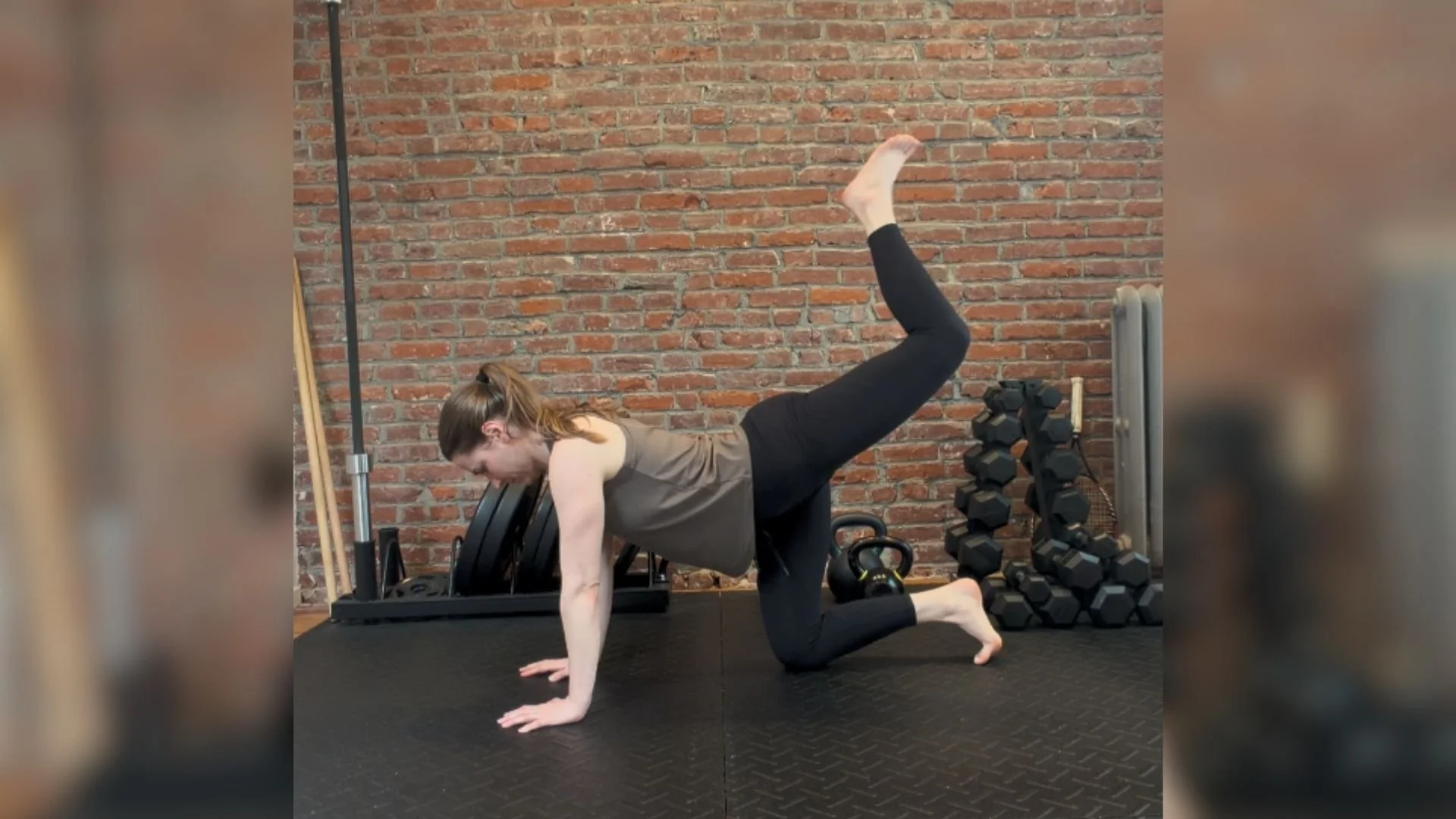
Do You Feel Stuck in Anterior Pelvic Tilt? Here's What to Know
If you've been told that anterior pelvic tilt is causing your lower back pain, you may feel like you need to constantly correct your posture or tuck your pelvis into a “neutral” position. Learn why anterior pelvic tilt isn't necessarily a problem and how focusing on movement control, strength, and capacity may be more useful for understanding and managing lower back pain.

Sidelined by Pain? 3 Questions to Help You Stay Active While You Recover
Pain doesn't always mean you need to stop everything. Learn how asking three simple questions can help you understand what's contributing to your pain, stay active while you recover, and gradually build back toward the activities you enjoy.

Are You Asking the Right Questions About Your Back Pain?
Back pain isn't always about finding the exact structure that hurts. Learn why asking the right questions about your symptoms, movement, activity, and recent changes can help you better understand recurring back pain and find a clearer path toward lasting recovery.
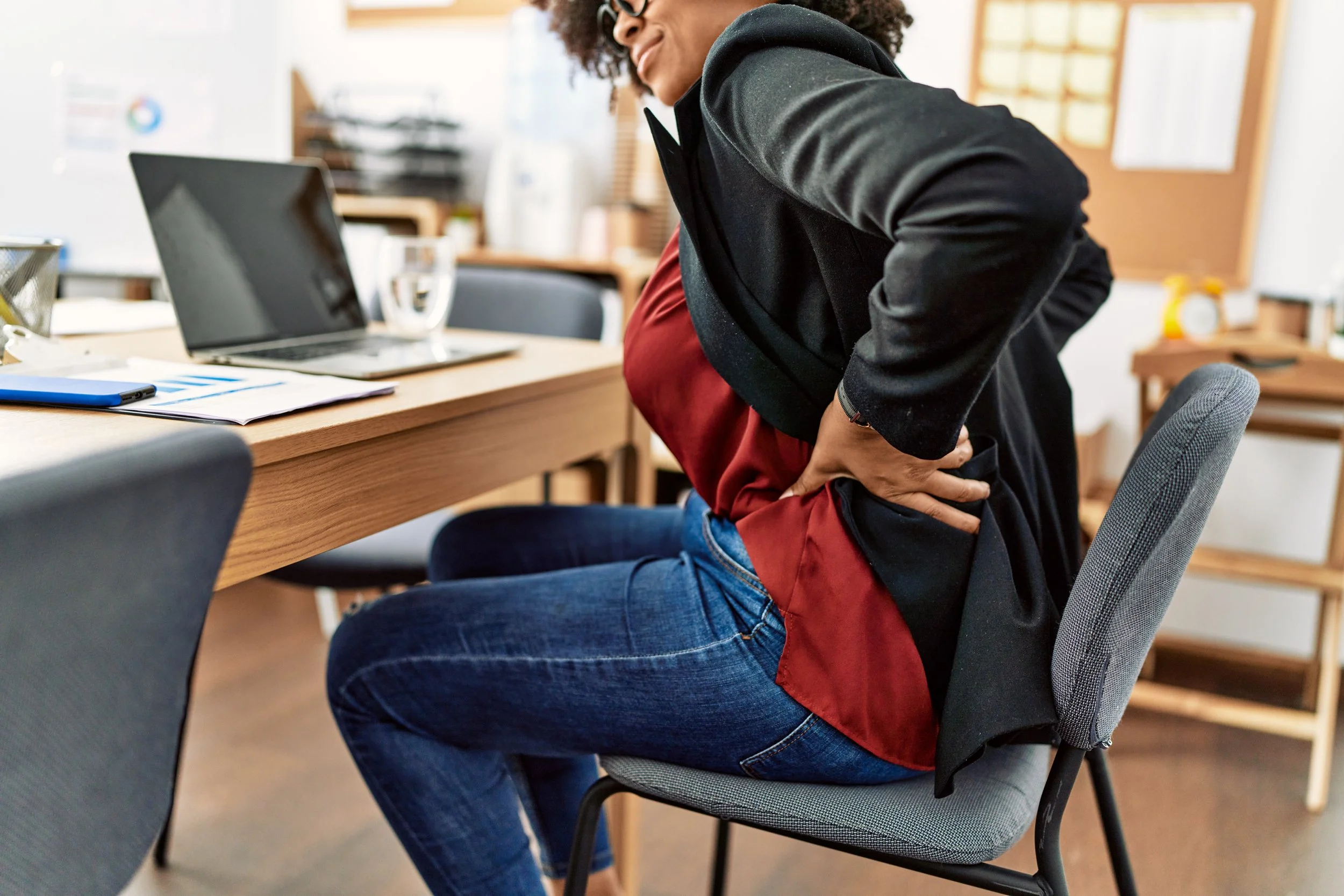
Why Does My Pain Keep Coming Back?
If your pain keeps coming back, treating the painful area may only be part of the solution. Learn why recurring pain can be connected to how your body moves and why understanding the bigger picture matters for lasting progress.

The Movement That Hurt You Isn't the Enemy
When a movement causes pain, it's natural to start avoiding it. But the movements you avoid don't disappear from everyday life. Learn how rehabilitation can help you rebuild strength, capacity, and confidence so you can get back to the movements that matter.

Why the Benefits of Exercise Don't Show Up Overnight
Every workout is an investment in your future. Learn how consistent movement helps your body adapt over time, making it easier to stay strong, active, and capable of doing the things you enjoy.
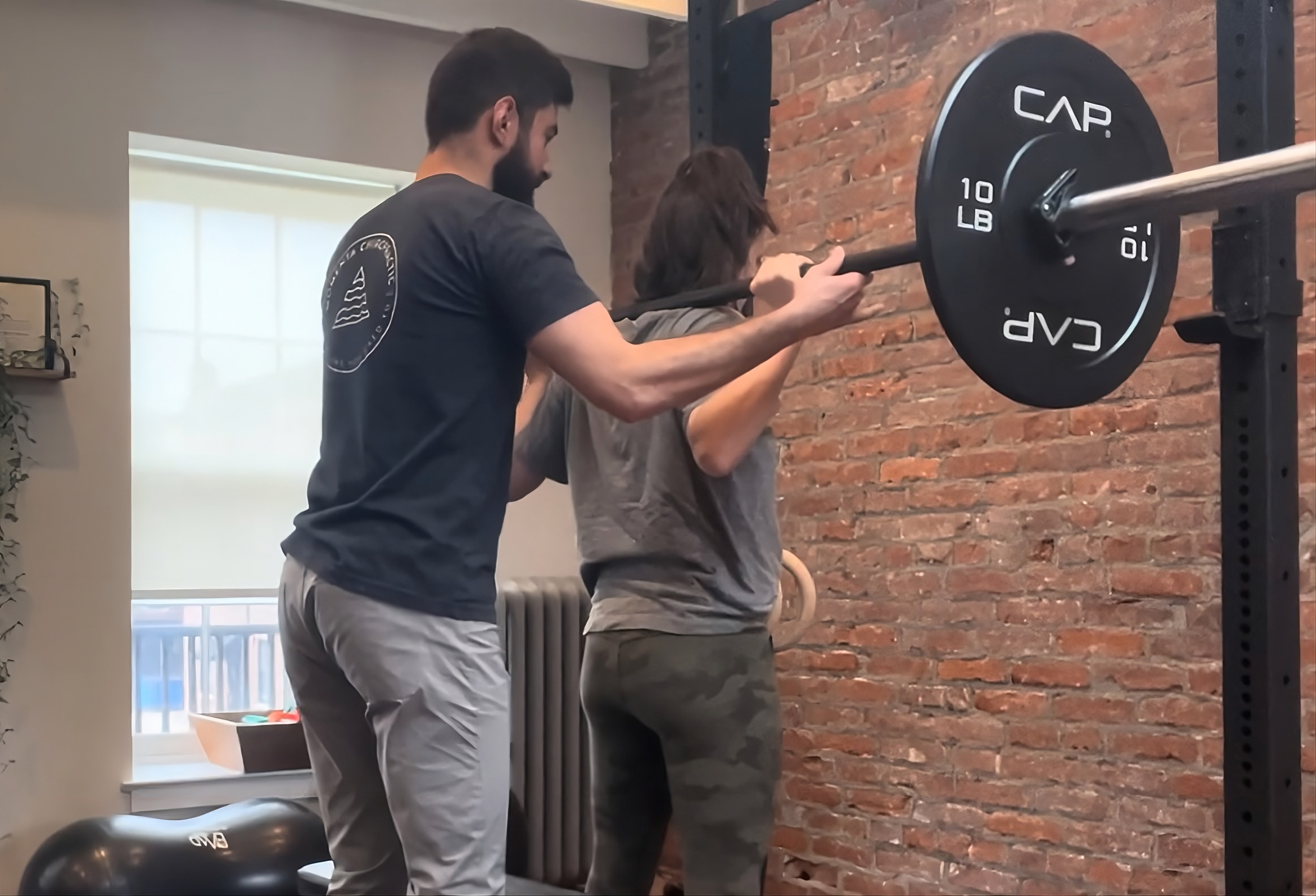
Is There Really Such A Thing as "Good Form"?
Good movement isn't about copying one perfect technique. It's about giving your body more ways to move. Learn why movement variability matters and how building strength, mobility, and confidence helps you handle the demands of everyday life.
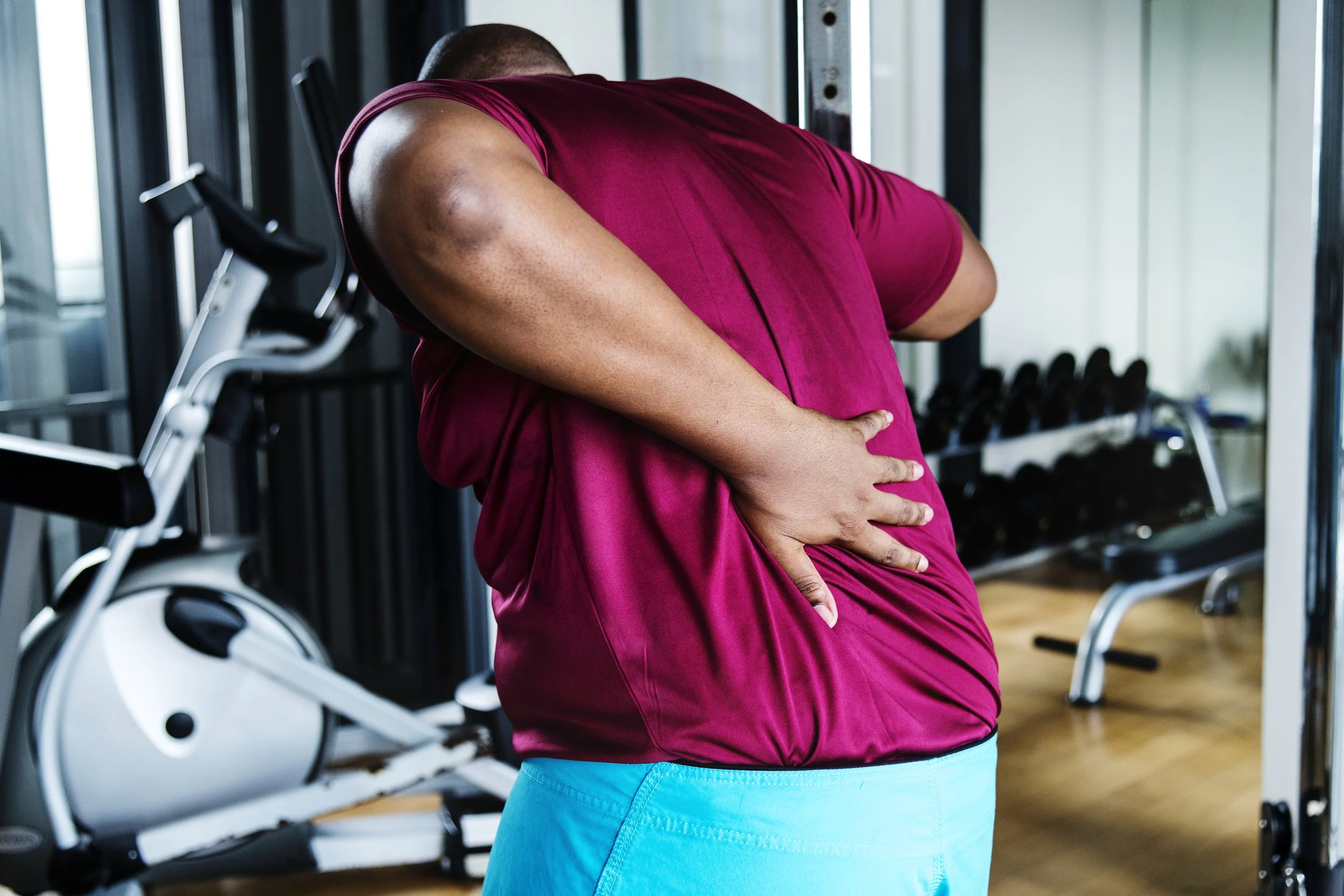
Can You Exercise With Pain? A Bryn Mawr Chiropractor Explains
Understanding pain starts with understanding movement. Learn how movement assessments help identify what's contributing to your symptoms so treatment can focus on helping you move better, not just feel better.
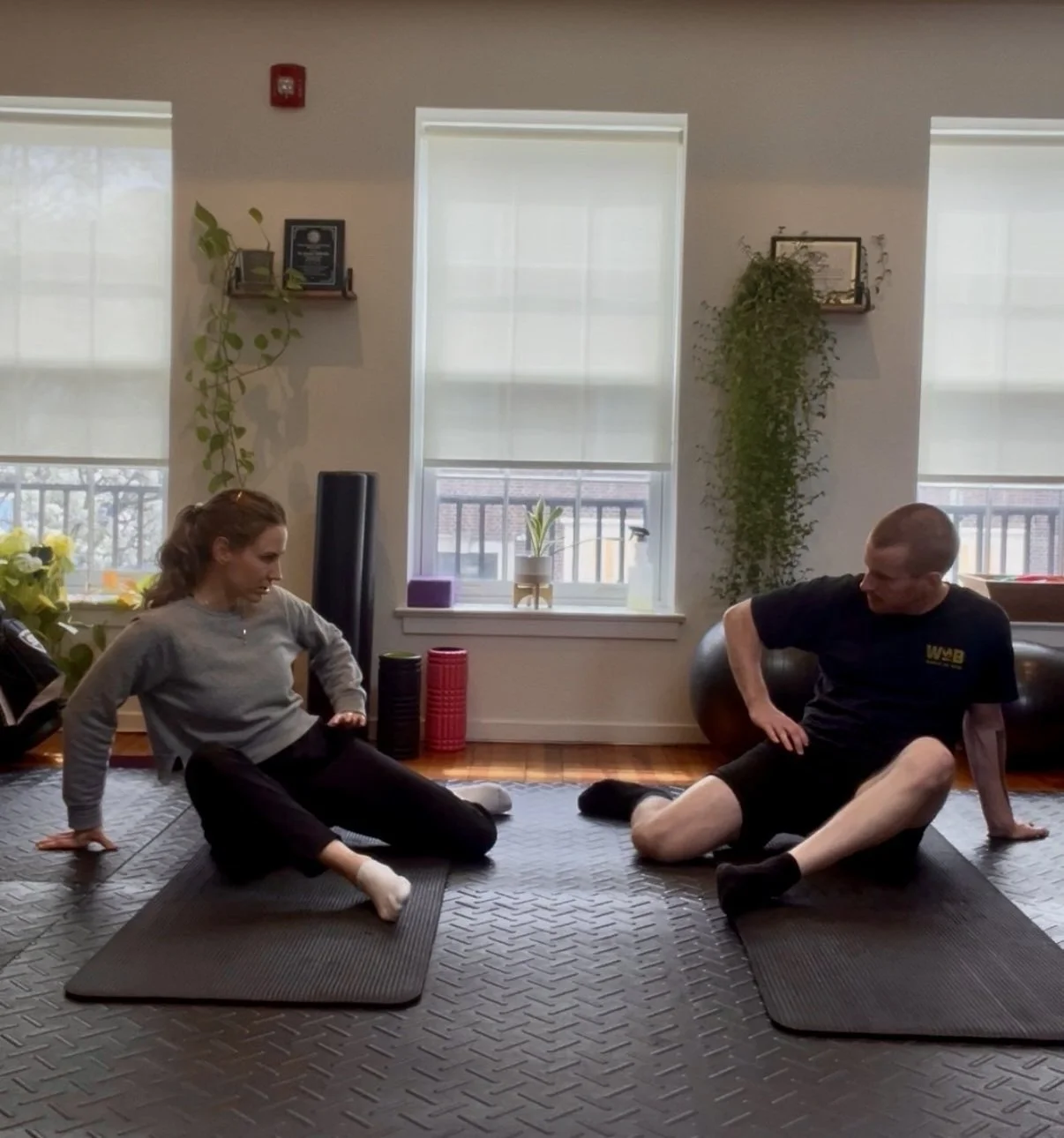
Why Watching You Move Is the Key to Understanding Pain
Understanding pain starts with understanding movement. Learn how movement assessments help identify what's contributing to your symptoms so treatment can focus on helping you move better, not just feel better.
The Biggest Myth About Aging
Healthy aging isn't about turning back the clock. It's about giving your body a reason to stay capable. Learn how consistent movement and strength can help you stay active, independent, and confident for years to come.

The Hidden Cost of Living With Pain (It's Not What You Think)
Pain isn't just about what you feel. It's about what you slowly stop doing because of it. Learn why staying active matters, when recurring pain deserves attention, and how the right plan can help you keep doing what you love.
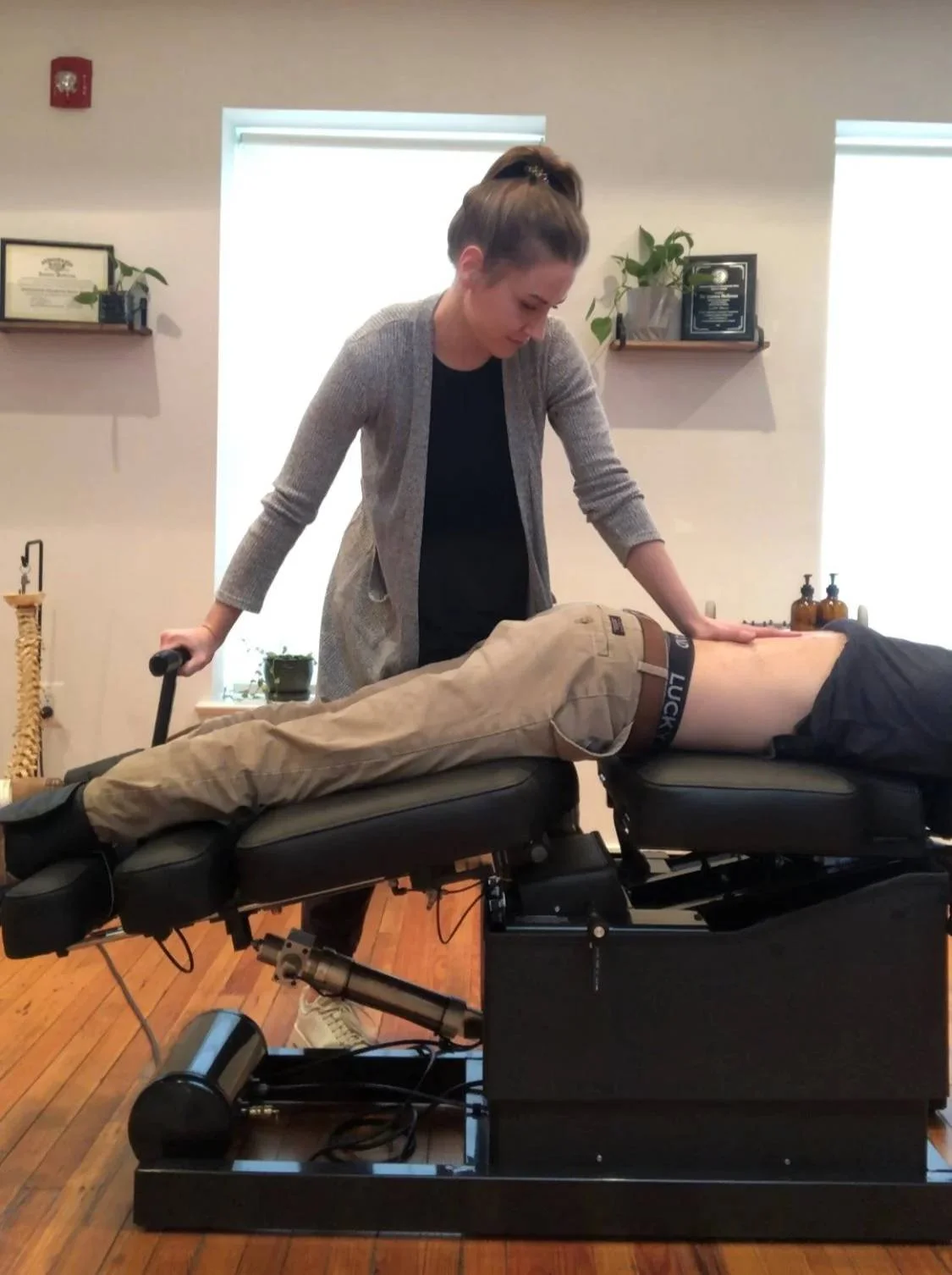
Flexion Distraction Therapy (Spinal Decompression)
Learn how Flexion Distraction Therapy, a gentle form of spinal decompression, may help relieve lower back pain, sciatica, herniated discs, and spinal stenosis by reducing pressure on the joints, discs, and nerves.
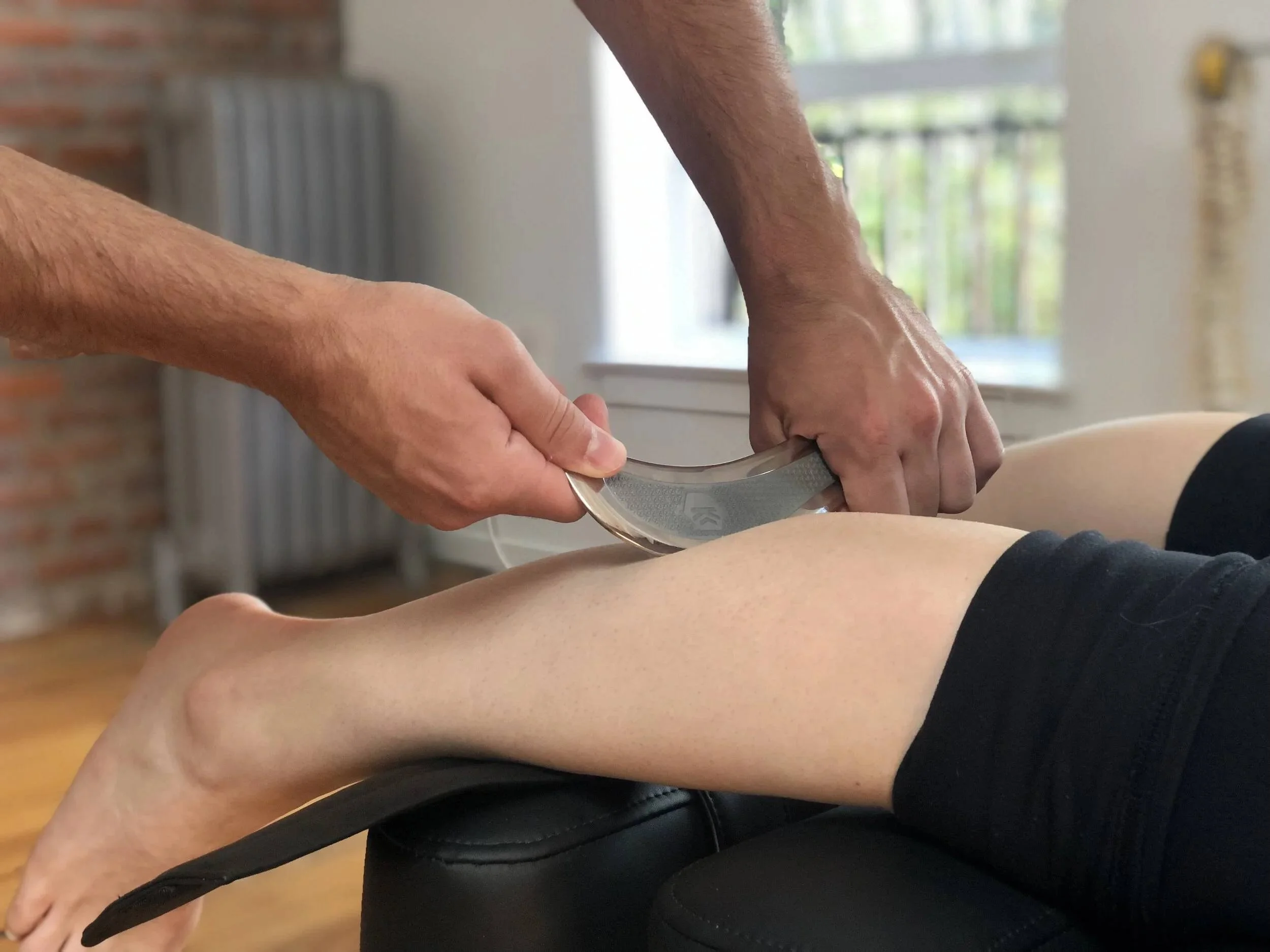
Instrument Assisted Soft Tissue Mobilization (IASTM)
Soft tissue treatments can help you move better, but lasting recovery takes more than loosening tight muscles. Learn how IASTM fits into a comprehensive treatment plan that combines hands-on care with exercise and rehabilitation.
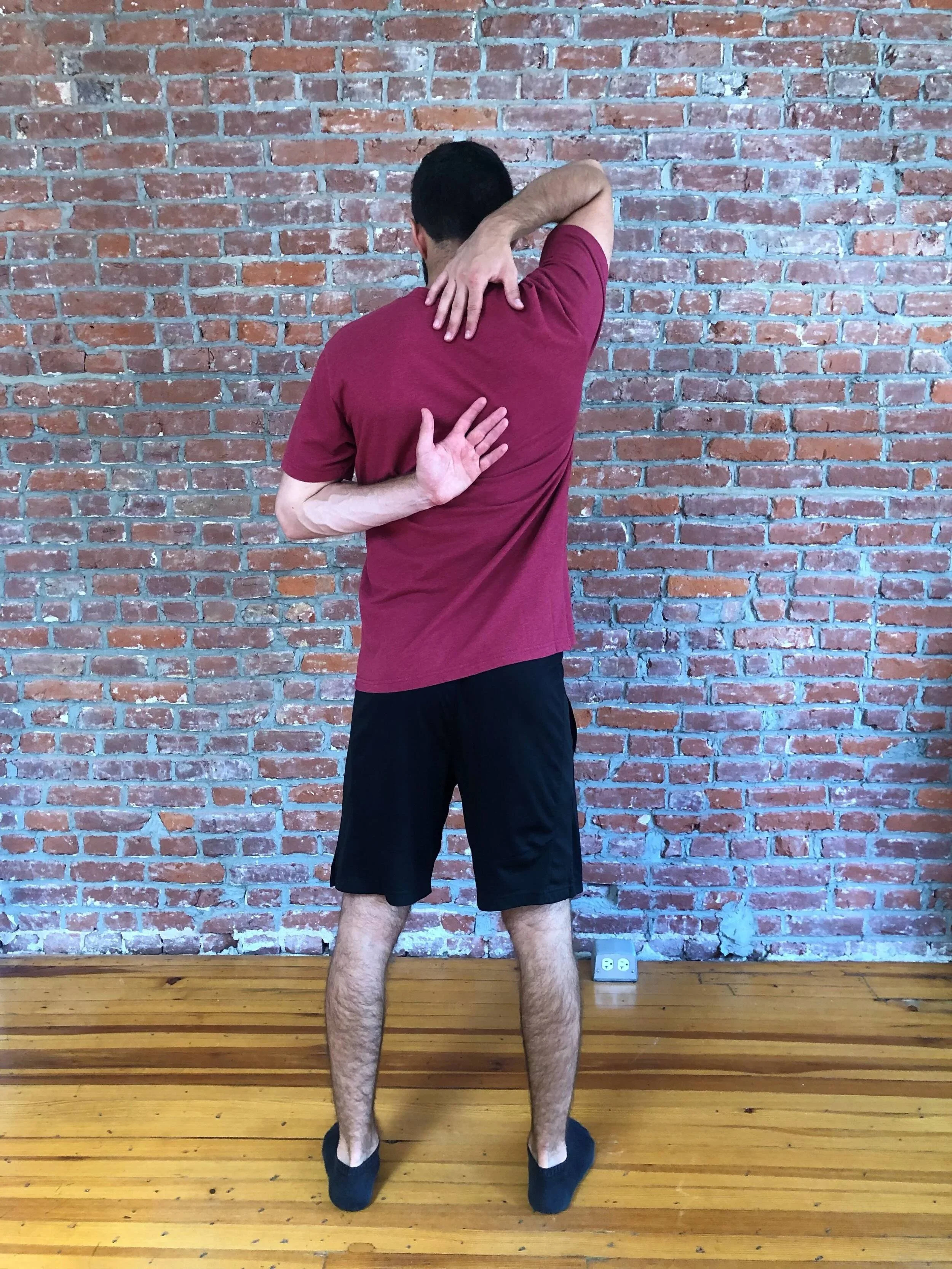
Movement Screens
Recurring pain isn't always caused by what shows up on an MRI. Learn how a movement assessment can identify mobility limitations, compensation patterns, and movement inefficiencies that may be contributing to your pain.
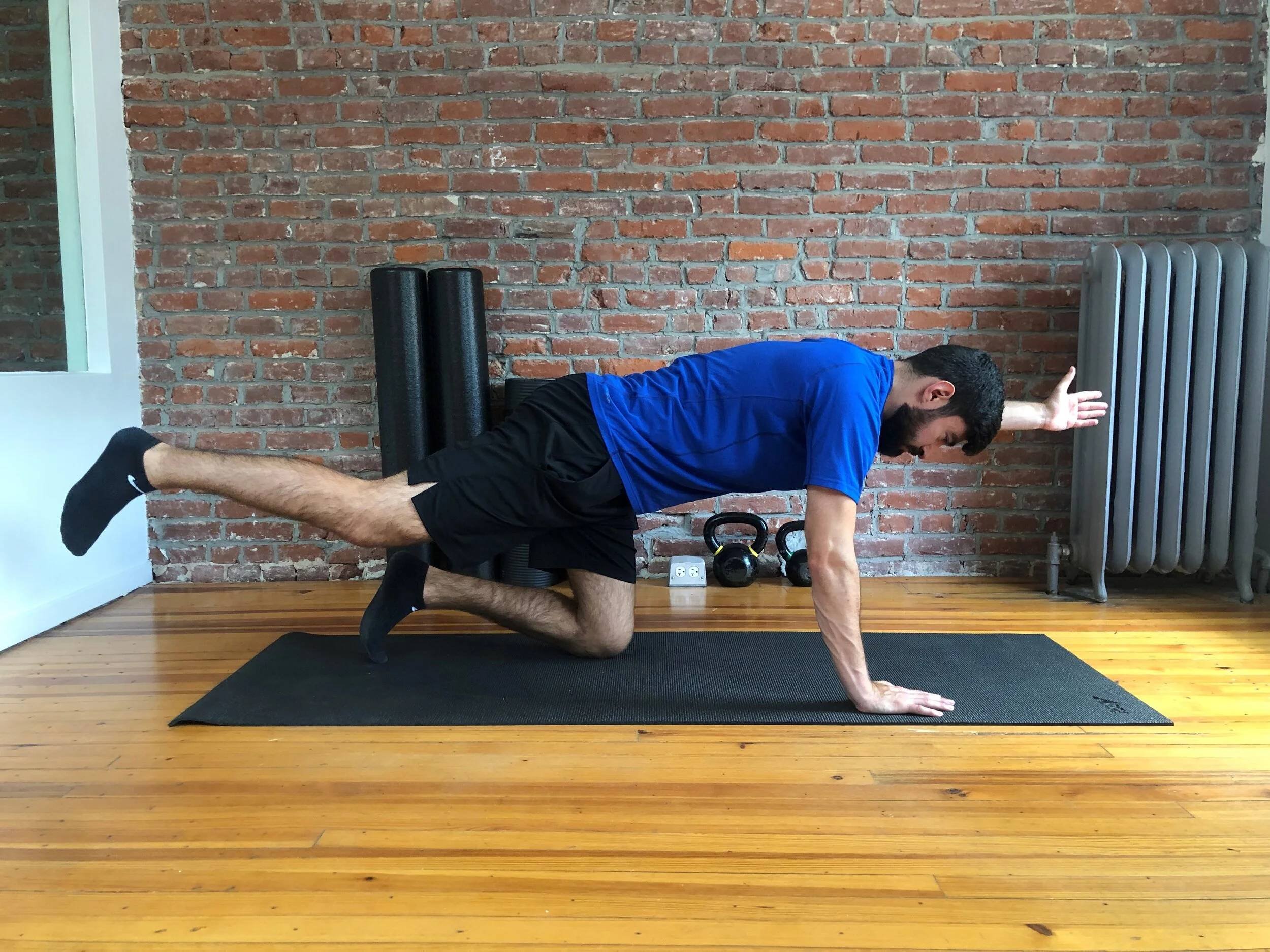
Rehabilitative Exercise
Pain relief is only the first step. Learn how rehabilitative exercises help restore strength, mobility, and movement so you can recover from injury and return to the activities you enjoy with confidence.
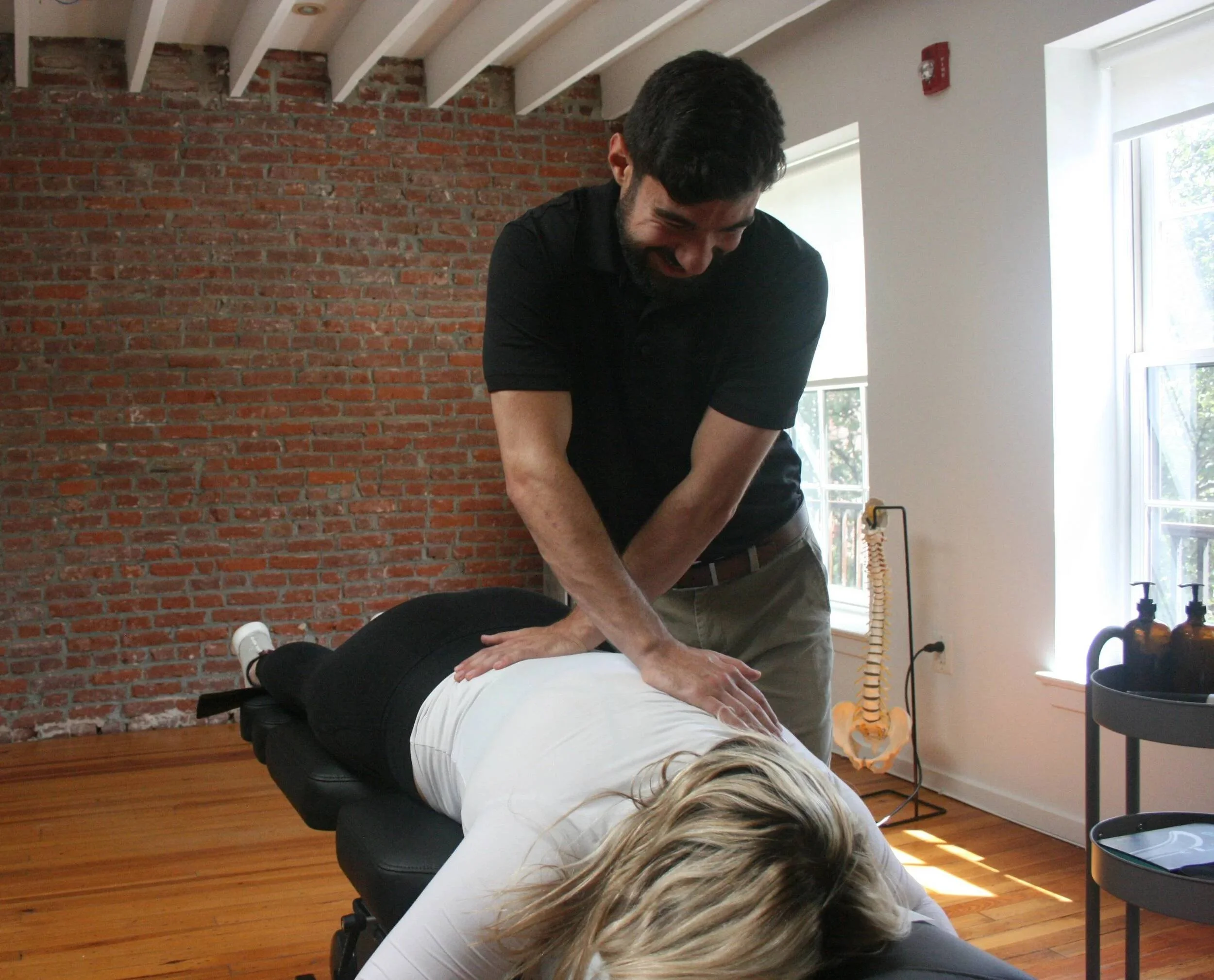
Chiropractic Adjustment
A chiropractic adjustment isn't about "putting bones back into place." It's about restoring joint movement so you can move with less pain and greater confidence. Learn how adjustments fit into a personalized treatment plan focused on long-term recovery.
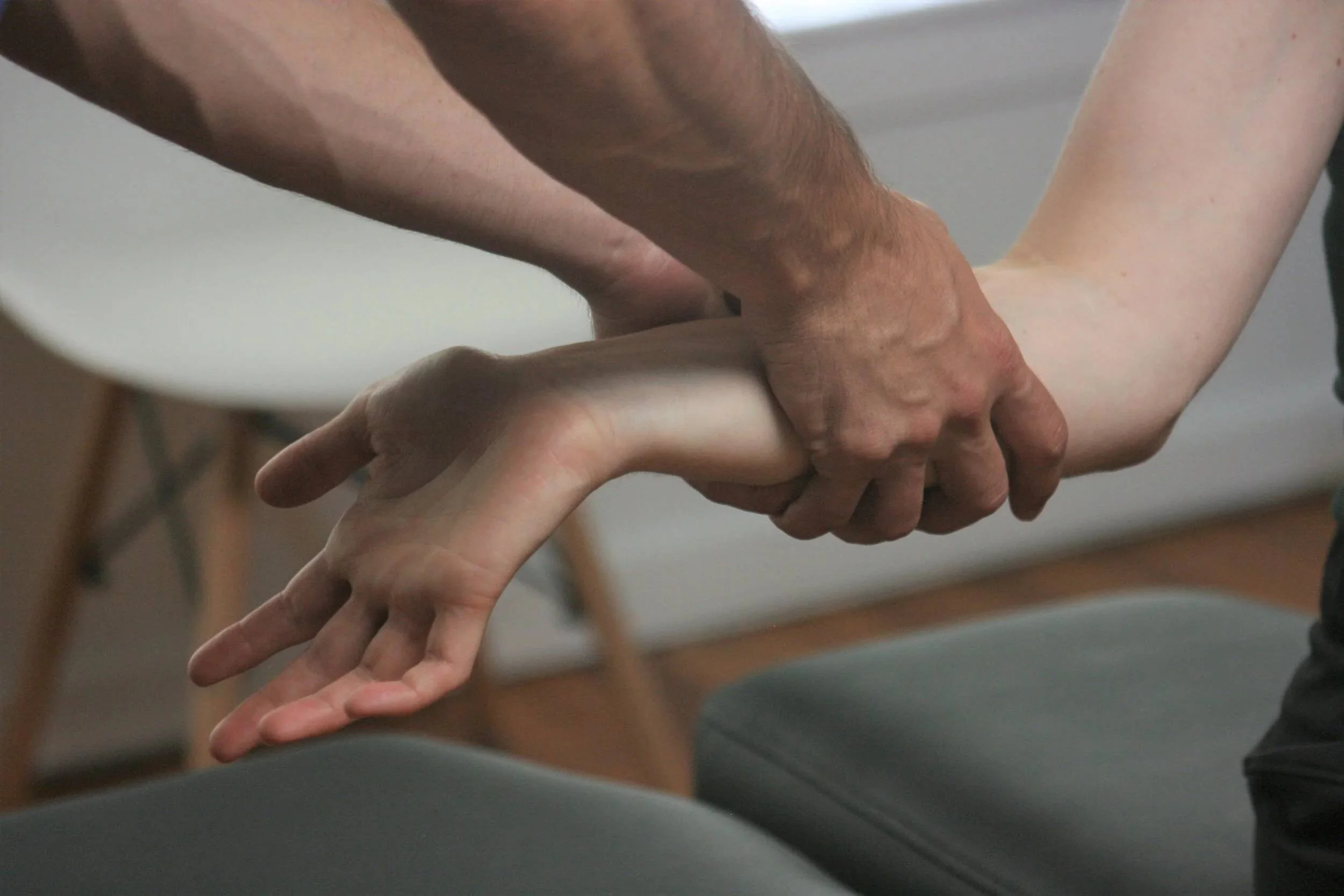
Myofascial Release
Learn how myofascial release can help reduce muscle tightness, improve mobility, and restore healthy movement by addressing restrictions in the muscles and fascia. Discover why it's often combined with exercise and rehabilitation for lasting results.
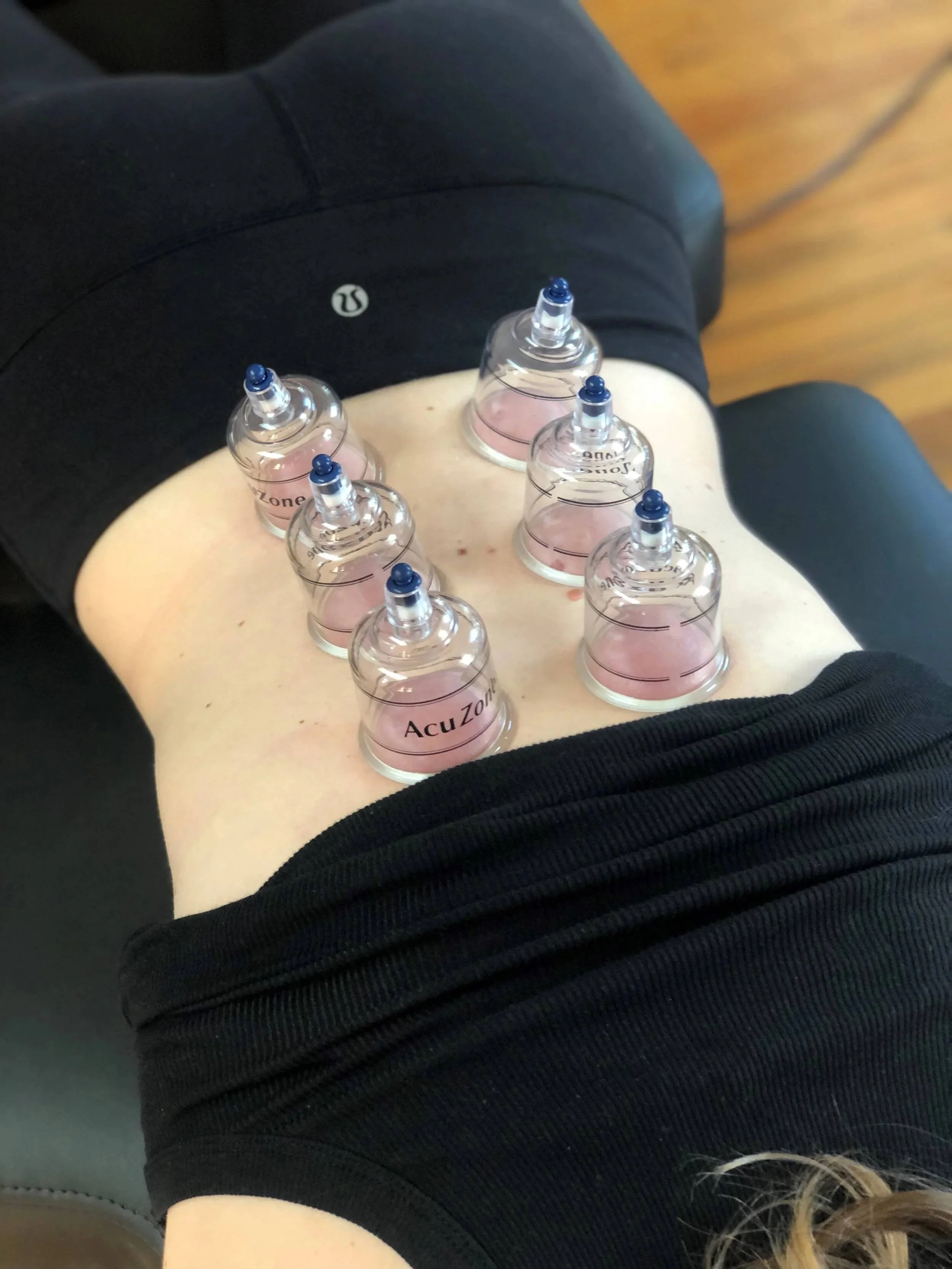
Cupping Therapy
Cupping therapy can help relieve muscle tension and improve movement, but it's only one part of the recovery process. Learn how we combine cupping with chiropractic care, exercise, and rehabilitation to help you stay active for the long term.
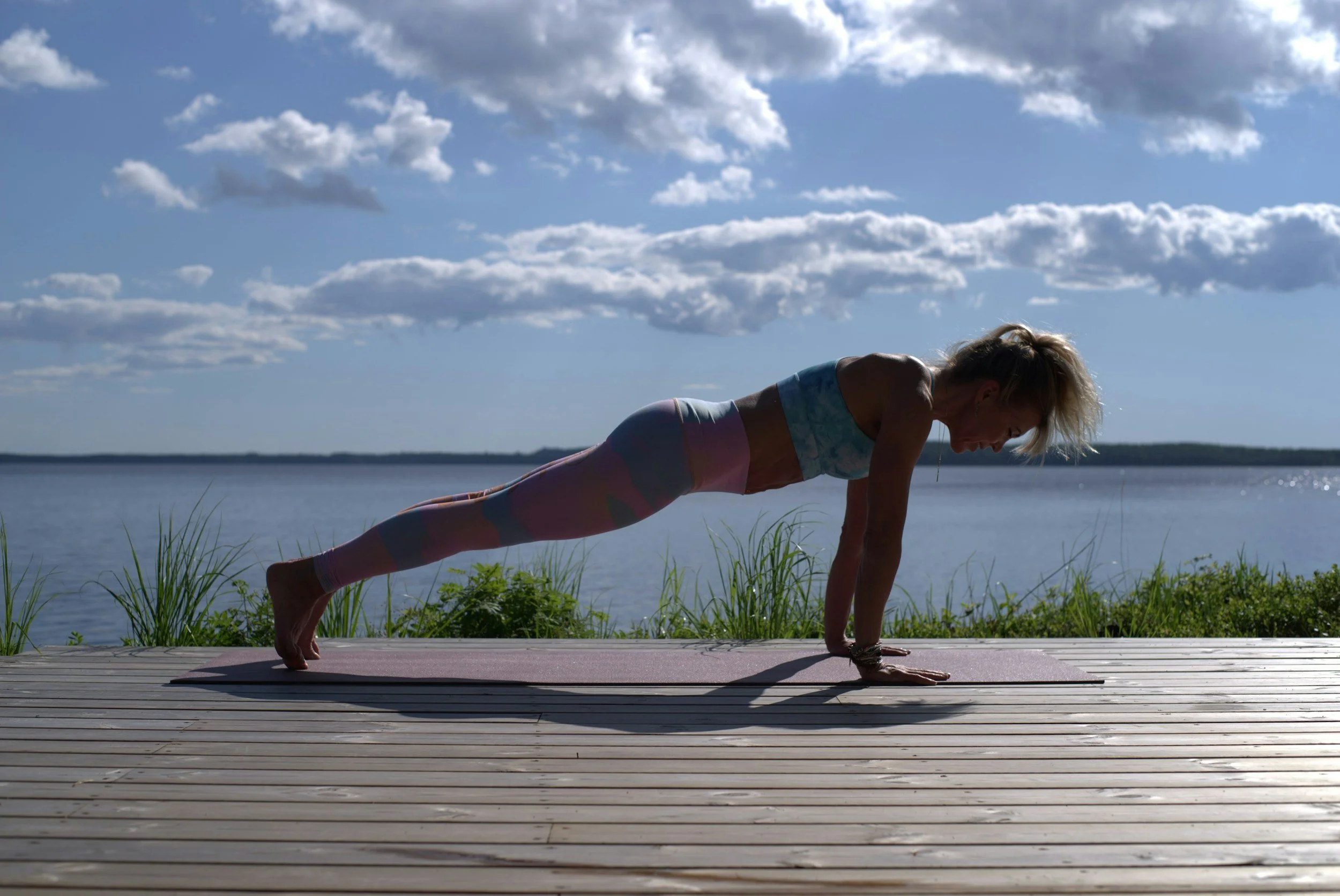

Do You Really Need a Knee Replacement? What Most People Aren’t Told About Knee Pain
Many people believe a knee replacement is their only option once arthritis or a meniscus tear shows up on imaging. But that’s not the full story. Research shows that strength training and proper movement strategies can significantly improve how your knees feel and function — often helping you delay or even avoid surgery altogether.