Do You Feel Stuck in Anterior Pelvic Tilt? Here's What to Know
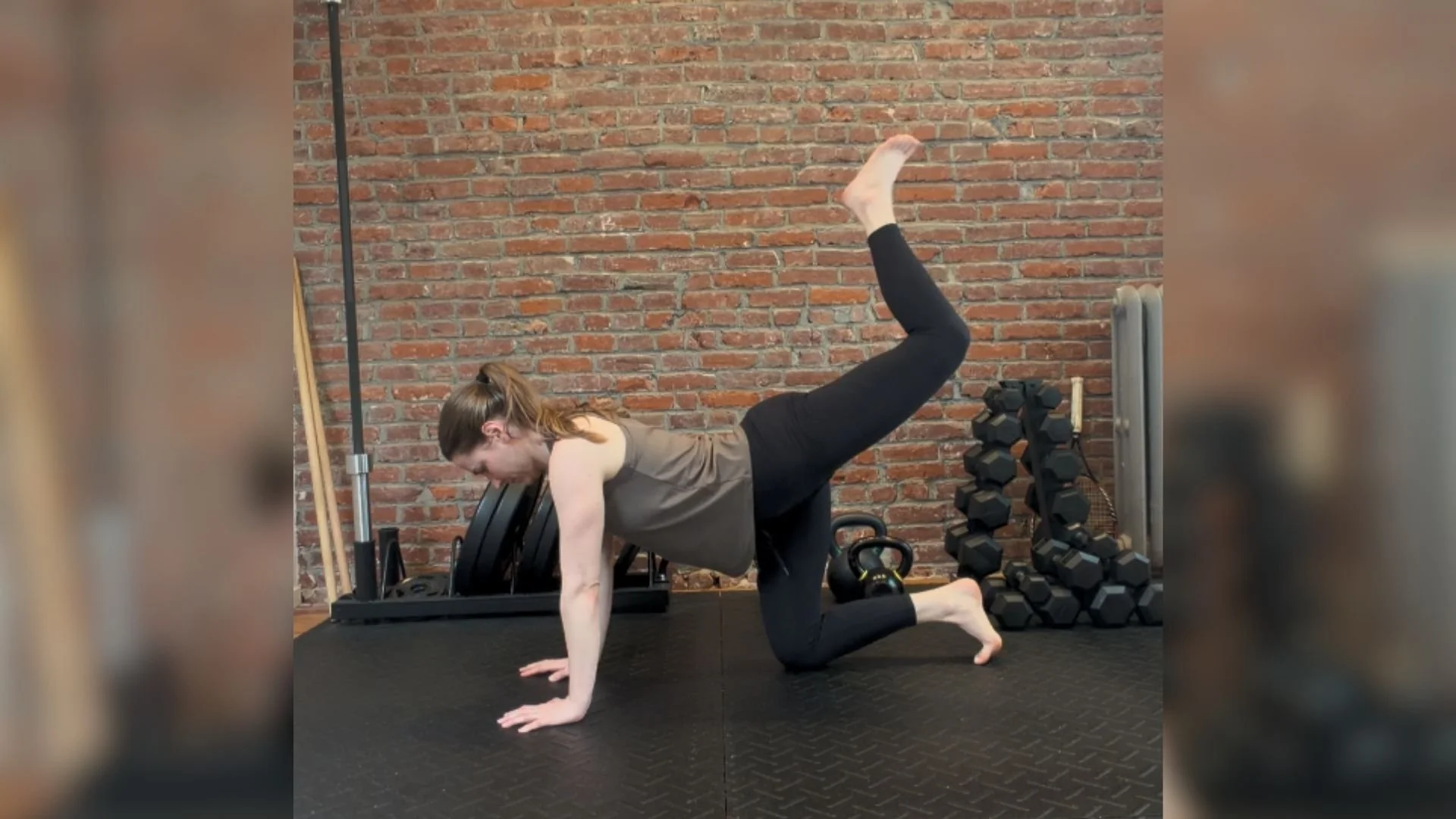
If you've been told that your lower back pain is caused by an anterior pelvic tilt, you may have started paying a lot more attention to how your pelvis is positioned.
Maybe you've been trying to tuck your pelvis underneath you, stand differently, or stretch your hips in an effort to find a more "neutral" position.
But here's the thing:
Having some degree of anterior pelvic tilt isn't necessarily a problem.
Plenty of people naturally stand with their pelvis tilted forward without experiencing lower back pain.
The position itself doesn't tell us everything we need to know about how your body is functioning.
What matters more is what happens when you move.
Watch the Video: Understanding Anterior Pelvic Tilt
This can be difficult to picture just by reading about it, so we put together a video explaining what anterior pelvic tilt actually means and showing a few of the exercises we often use to help people improve pelvic and core control.
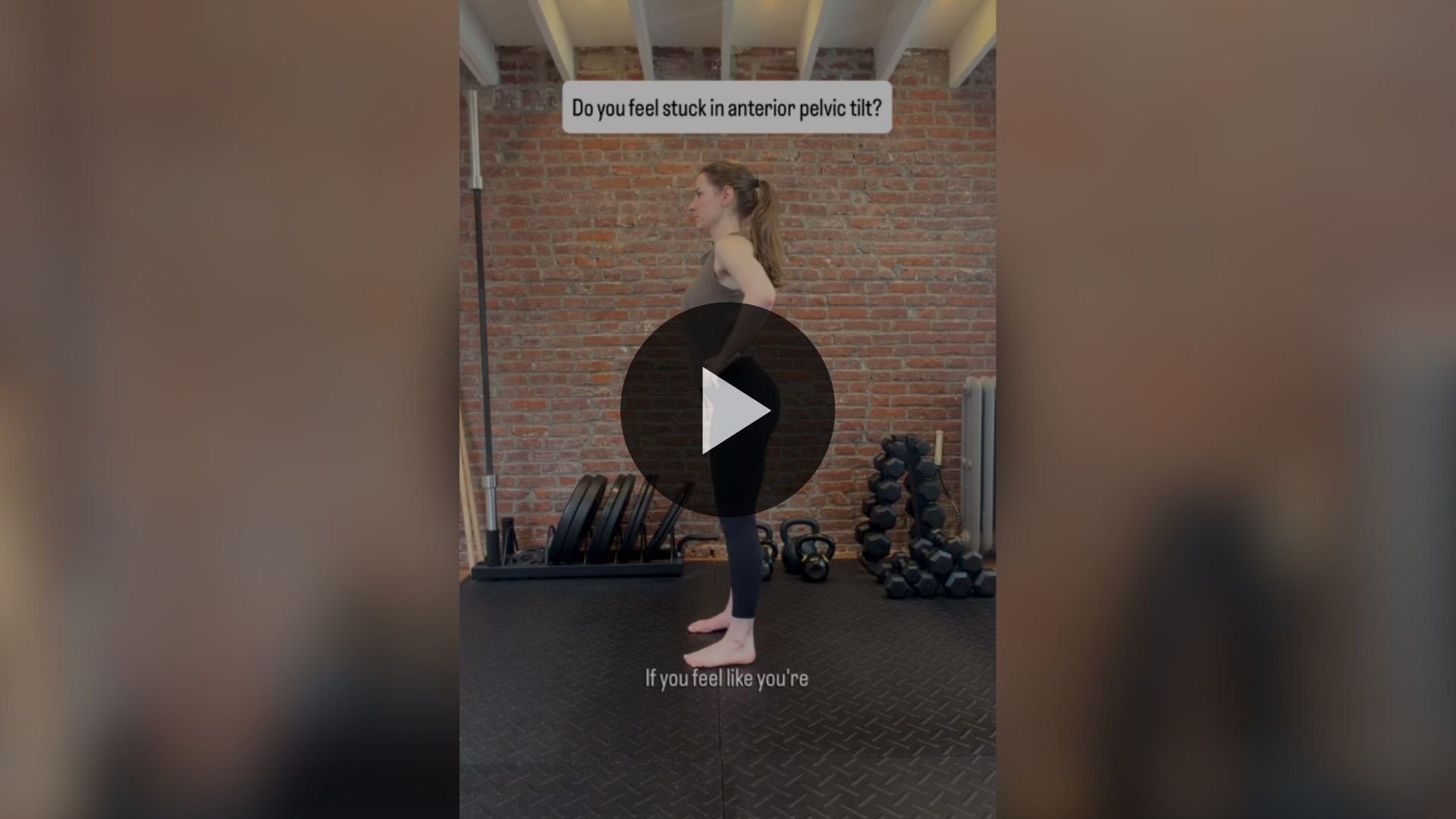
As you watch, pay attention to the difference between simply having an anteriorly tilted pelvis and having difficulty controlling your pelvis and lower back while you move.
That distinction is important when you're trying to understand persistent lower back pain.
What Is Anterior Pelvic Tilt?
Anterior pelvic tilt describes a position where the front of your pelvis rotates forward relative to the back of your pelvis.
It's a normal movement of the pelvis, and some people naturally spend more time in this position when they're standing.
Your pelvis isn't designed to stay completely still.
It moves as you walk, squat, run, lift, bend, and change positions.
So seeing your pelvis tilted forward while you're standing doesn't automatically tell us that something is wrong.
The bigger question is:
Can you control your pelvis as you move?
Anterior Pelvic Tilt Isn't the Same as Poor Movement
It's easy to assume that if your pelvis is tilted forward, you need to "fix" the position.
This can lead to spending a lot of time trying to:
Tuck your pelvis underneath you
Flatten your lower back
Stand with your pelvis in a specific position
Stretch your hip flexors
Constantly remind yourself to maintain "good posture"
These strategies may change how you stand, but they don't necessarily address what happens when you actually move.
Your pelvis needs to move.
Your lower back needs to move.
Your hips need to move.
The goal isn't to eliminate movement from any of these areas.
The goal is to have enough mobility and control that they can work together without one area consistently taking on more demand than it needs to.
What Happens When You Move?
Think about lifting something from the floor.
Your hips need to move.
Your pelvis needs to adjust.
Your spine needs to contribute.
Your core muscles need to help you manage the load.
All of these things happen together.
But if your pelvis and lower back move excessively every time your hips move, you may be placing more demand through your lower back than you intended.
That doesn't mean your anterior pelvic tilt is the cause.
It means the way your body is controlling movement may be more relevant than the position you see when you're standing still.
The same idea applies when you're squatting, walking, running, exercising, or doing everyday activities.
Your Pelvis Doesn't Need to Be Perfectly Still
One of the biggest misconceptions about posture is that there's a single position your body should maintain throughout the day.
But movement doesn't work that way.
Your pelvis naturally changes position depending on what you're doing.
When you walk, your pelvis rotates.
When you squat, your hips and pelvis move.
When you bend forward, your spine and pelvis contribute to the movement.
When you lift something heavy, your entire body has to coordinate around the load.
Trying to keep your pelvis perfectly neutral or perfectly still throughout all of this isn't the goal.
You want your body to have options.
You want to be able to move into different positions and have enough control to manage them.
So What Should You Work On?
If you're dealing with lower back pain and have been told that anterior pelvic tilt is the problem, you may get more out of your rehab by focusing on movement control and capacity rather than constantly trying to correct your standing posture.
That might mean starting with simple movements where you can practice controlling your pelvis and lower back.
From there, you can gradually make the movements more challenging and bring that control into the exercises and activities that matter to you.
For example, you may work on:
Pelvic control
Learning how to move your pelvis through different positions and return to a controlled position can help you become more comfortable with movement.
Core strength and control
Your core isn't simply there to keep your spine rigid. It helps your trunk manage movement and load while the rest of your body moves around it.
Hip strength
Your hips play an important role in walking, squatting, running, lifting, and many other movements. Building strength gives them more capacity to contribute to those activities.
Progressive movement
Once you have control in simpler positions, you can gradually introduce more challenging movements, loads, ranges of motion, and activities.
The goal is to build enough capacity that you don't have to constantly think about where your pelvis is.
What If My Lower Back Still Hurts?
This is where it's important not to get too attached to a single explanation.
If someone tells you, "Your anterior pelvic tilt is causing your back pain," it can make the problem seem much simpler than it actually is.
Lower back pain can have many contributing factors, and pelvic position may be one piece of the picture.
Instead of asking only:
"How do I fix my anterior pelvic tilt?"
It may be more useful to ask:
"What happens to my pelvis, hips, and lower back when I move?"
And:
"What does my body need to become capable of doing again?"
Those questions give you much more information than simply looking at how your pelvis sits when you're standing.
You Don't Have to Spend All Day Correcting Your Posture
If you've been told that you have anterior pelvic tilt, it's easy to start policing your posture.
You might catch yourself standing and immediately think:
"Am I tilting my pelvis too far forward?"
"Should I tuck it under?"
"Is my lower back too curved?"
But you don't need to spend your entire day trying to hold yourself in one perfect position.
Your body is designed to move between positions.
Rather than trying to maintain a single posture, it can be more useful to build the strength and control that allow you to move confidently through different positions.
That gives you more options when you're exercising, working, playing sports, or simply going about your day.
The Bottom Line
Anterior pelvic tilt isn't automatically a problem.
The position of your pelvis when you're standing doesn't tell us everything about why your back hurts or how well your body can move.
What matters more is how your pelvis, hips, and lower back work together under movement and load.
The goal isn't to make your pelvis perfectly still or force yourself into a "neutral" position all day.
It's to give you enough control and capacity that your hips can move, your core can contribute, and your lower back doesn't have to take on more work than it needs to.
So if you've been told that your anterior pelvic tilt is the reason your back hurts, don't assume you need to spend all day trying to correct your posture.
Your pelvic position is only one piece of the picture.
Frequently Asked Questions
Is anterior pelvic tilt bad?
Not necessarily. Some degree of anterior pelvic tilt is a normal variation in standing posture, and having it doesn't automatically mean you'll experience pain or movement problems.
Can anterior pelvic tilt cause lower back pain?
Pelvic position can influence how different parts of your body move, but anterior pelvic tilt alone doesn't establish the cause of lower back pain. Looking at how the pelvis, hips, spine, and surrounding muscles work together during movement can provide more useful context.
How do you fix anterior pelvic tilt?
Rather than trying to permanently eliminate anterior pelvic tilt, a more useful approach may be to improve your ability to control your pelvis and build strength through your hips and core. The appropriate exercises depend on your individual movement limitations and goals.
Should I tuck my pelvis to fix anterior pelvic tilt?
You don't necessarily need to keep your pelvis tucked throughout the day. Your pelvis is supposed to move, and constantly holding it in one position can distract from the bigger goal of developing strength and control through different positions.
What exercises help anterior pelvic tilt?
Exercises that develop pelvic control, hip strength, and core control may be useful. The best exercises depend on what movements you have difficulty controlling and what activities you're trying to return to.
Looking Beyond Posture
At Momenta Chiropractic, we don't want you to spend your day worrying about whether your pelvis is in the "right" position.
We want to understand how your body moves, what you're asking it to do, and whether you have the strength and control to handle those demands.
If you're dealing with lower back pain and have been told you're "stuck" in anterior pelvic tilt, we'd be happy to help you understand what's actually contributing to your symptoms and where you can start.
If you're on the Main Line or in the Philadelphia area, reach out to Momenta Chiropractic to learn more about how we approach back pain and movement.