Why Your PT Exercises Might Not Have Worked, Even When You Did Them Right

A lot of patients tell us a similar story about exercises they've tried before. They did what they were told, showed up consistently, and still didn't feel like anything was really changing. It's easy to land on "I guess that exercise just wasn't right for me." More often than not, though, the exercise itself was fine. What was missing was how it was actually coached.
The Exercise Usually Isn't the Problem, the Coaching Is
Being handed a sheet of exercises and told to do three sets of ten isn't the same as understanding what you're supposed to feel, where you're supposed to feel it, and how to adjust your setup if you're not feeling it. Without that piece, you're mostly just going through the motions and hoping something happens eventually.
This is a big reason people can do the "correct" exercise for weeks and still feel stuck. The exercise on paper might be exactly right for their situation. But if nobody walked them through what it should actually feel like, there's no way to know whether they're doing something close to it or something that just resembles it.
What Good Coaching Actually Looks Like
When an exercise is coached with real attention to detail, the difference tends to show up fast. You know exactly what position to get into, what it should feel like when you're doing it right, and what to change if it doesn't feel right yet. That kind of feedback is usually what separates an exercise that actually helps from one that just feels like busywork.
A Simple Example: One Hip Stretch, Two Completely Different Experiences
A simple example of this is a hip stretch we use often with patients working on hip mobility.
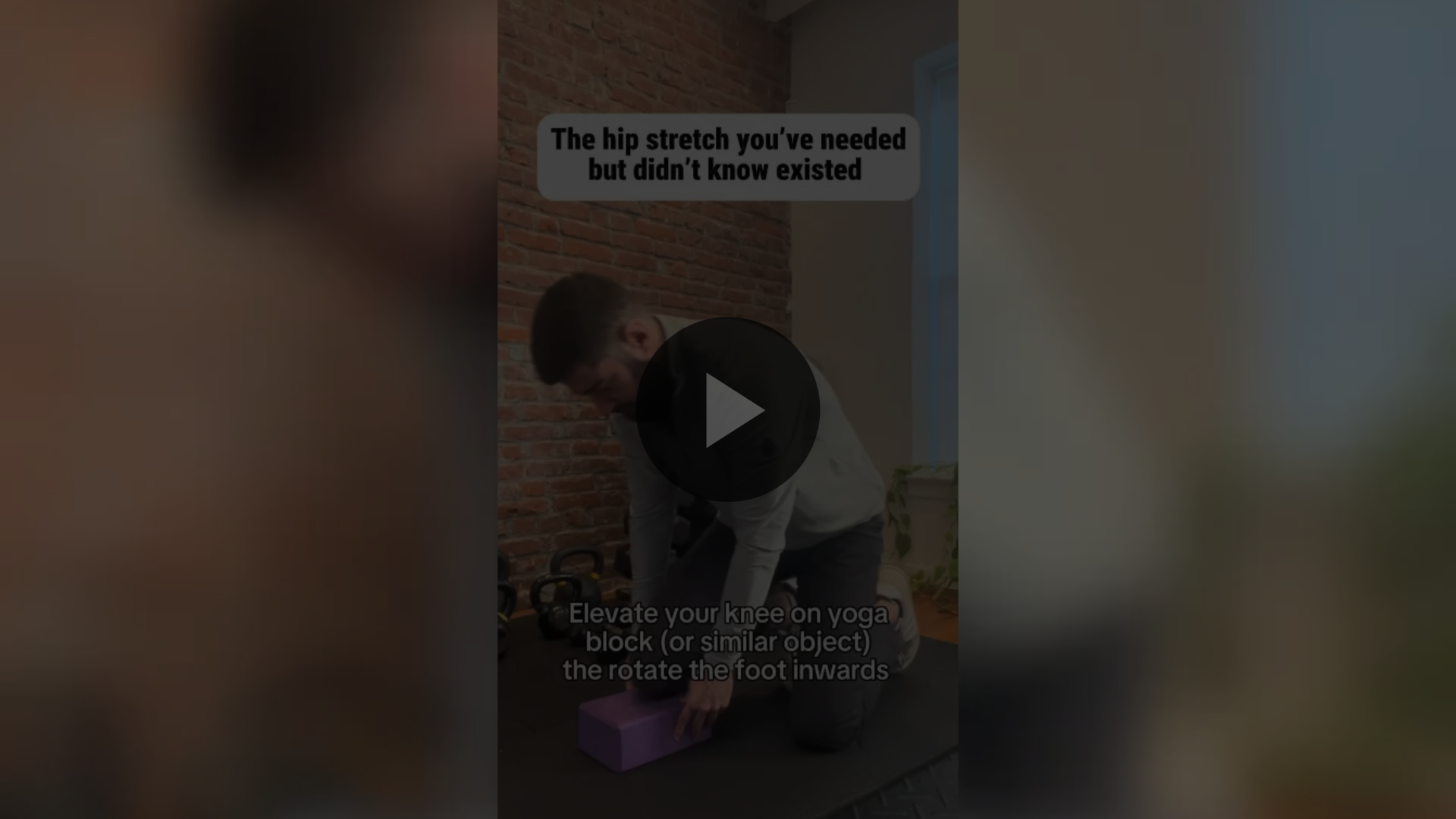
On the surface, it's just a kneeling hip stretch. But the order you set it up in changes everything. Rotating the foot inward first increases how much the hip can externally rotate. Arching the back slightly by rotating the pelvis forward adds tension to the back of the joint. Shifting the weight so the hip moves outside the knee pre-tensions the stretch before you even sink into it.
Skip any one of those steps, and the same stretch can end up feeling vague or shallow instead of reaching the tissue it's meant to reach. Get the setup right, and it's a noticeably different experience, even though it's technically "the same" stretch.
This Is True Beyond Just This One Stretch
That pattern shows up with most exercises, not just this one. The specific exercise someone is given often matters less than whether they actually understand how to do it well. Technique and feedback are usually the real difference between an exercise that helps and one that just feels like something to check off a list.
If You've Done the "Right" Exercises Without Getting Results
If you've already done exercises that sounded right for your situation and still didn't see the progress you expected, it might not mean you need a different exercise. It might mean it's worth having someone actually walk you through how to do the ones you have well.
Frequently Asked Questions
Why didn't my physical therapy exercises work?
It's often not that the exercise was wrong for your situation, but that the coaching behind it didn't cover what you should feel, where you should feel it, and how to adjust if something was off.
Is it the exercise or how it's done that matters more?
Both play a role, but how well an exercise is coached often makes a bigger difference than which specific exercise is chosen. The same exercise can feel completely different depending on the setup and feedback involved.
How do I know if I'm doing an exercise correctly?
A good sign is feeling the exercise specifically where it's supposed to be felt, with a clear sense of what to adjust if it doesn't feel that way. If it feels vague every time, the setup is worth a second look.
What should good exercise coaching include?
At minimum, you should understand what position to get into, what it should feel like when it's working, and what to change if it isn't. Just being handed a sheet of sets and reps usually isn't enough on its own.
Can doing an exercise wrong make it less effective?
Yes. Small differences in setup, like foot position or how weight is shifted, can change what tissue an exercise actually reaches, which can make the difference between an exercise that helps and one that does very little.
Should I switch exercises if mine aren't working?
Not necessarily. Before assuming the exercise is wrong, it's worth checking whether the setup and technique are actually dialed in. Sometimes the fix is in how it's being done, not what's being done.
If You've Done the "Right" Exercises Before Without Results
If you've done exercises that sounded right before and still didn't get the results you expected, it might be worth having someone actually walk you through how to do them well. At Momenta Chiropractic, we work with people around Bryn Mawr, the Main Line, and Philadelphia to make sure the exercises they're doing are actually set up to work for them. If that sounds like you, reach out and we'll take a look.