Why Watching You Move Is the Key to Understanding Pain
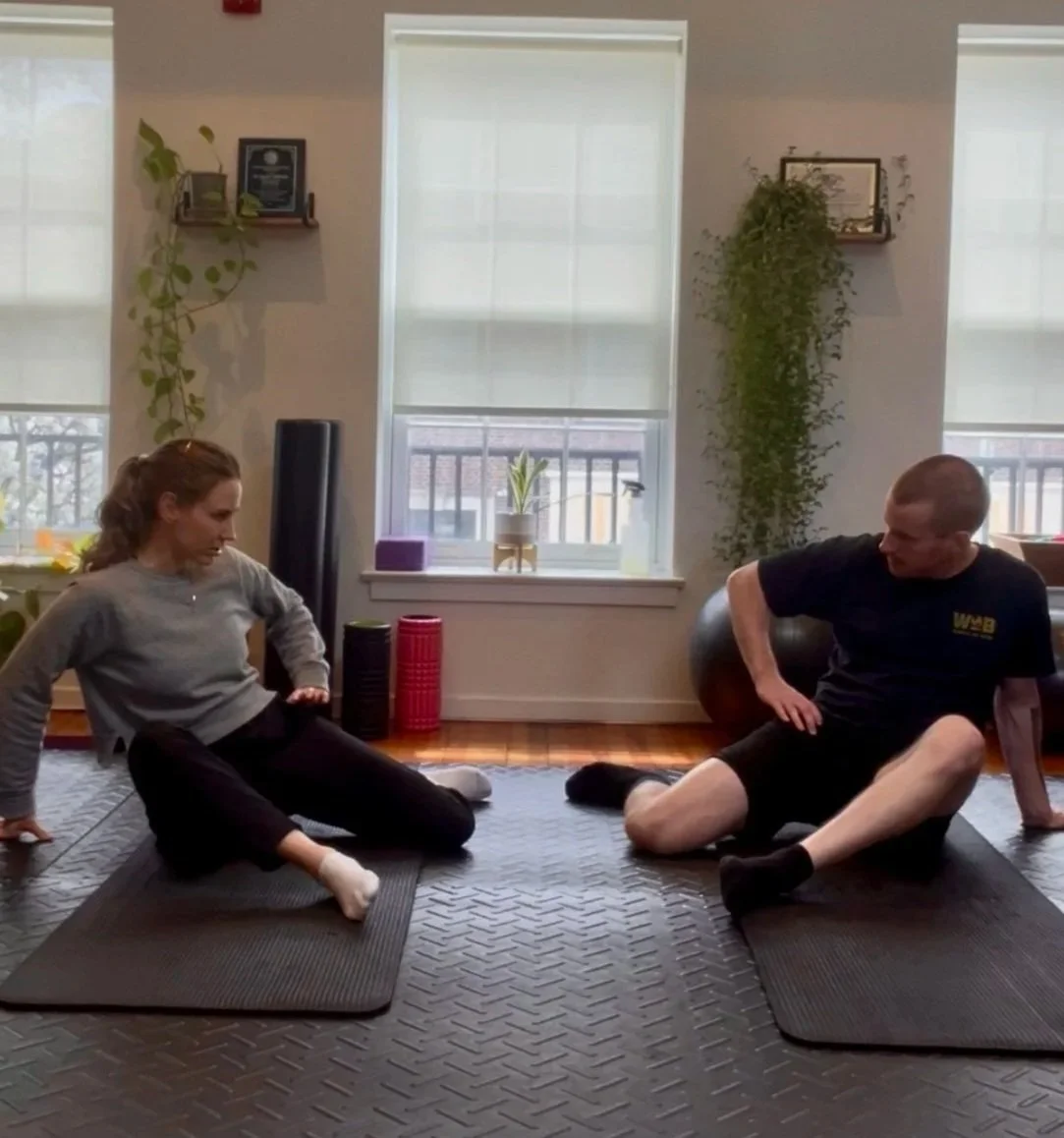
One of the first questions we ask someone who's dealing with pain is:
"When does it hurt?"
The answer tells us a lot.
Maybe it's when you squat.
Maybe it's reaching overhead.
Maybe it's after running a few miles.
Maybe it's every time you bend over to pick something up.
Knowing when pain occurs is an important first step.
But that isn't the whole story.
The next question is often even more important:
"What is your body doing during that movement?"
Because pain rarely happens in isolation.
More often, it's connected to how your body moves under load.
Pain Tells Us What Hurts. Movement Helps Explain Why.
Two people can walk into a clinic with exactly the same complaint.
Both experience shoulder pain every time they press overhead.
On the surface, they look identical.
But after watching them move, you might discover two completely different problems.
One person may lack shoulder mobility.
The other may have excellent mobility but struggle with strength, coordination, or control.
The symptoms are the same.
The reason behind it isn't.
That's why movement matters.
Why Looking at Pain Alone Doesn't Tell the Whole Story
Pain is important.
It tells us where something doesn't feel right.
But it doesn't always tell us what's driving the problem.
Think about a check engine light in your car.
The light tells you something needs attention.
It doesn't tell you exactly why it's on.
Pain works similarly.
To better understand what's contributing to symptoms, it's often helpful to look at how your body performs the movements that trigger them.
What Is a Movement Assessment?
A movement assessment is an evaluation of how your body performs everyday and athletic movements.
Rather than focusing on one joint or muscle, it looks at how different parts of the body work together.
Depending on your symptoms, this may include movements such as:
Squatting
Bending
Reaching overhead
Walking
Lunging
Stepping
Rotating
Single-leg balance
The goal isn't to judge how well you move.
It's to identify movement patterns that may be contributing to pain or limiting performance.
Why Two People With the Same Pain May Need Different Treatment
One of the biggest misconceptions in musculoskeletal care is that the diagnosis automatically determines the treatment.
In reality, that's rarely the whole picture.
Take low back pain as an example.
One person may benefit from improving hip mobility.
Another may need to strengthen their trunk.
Someone else may simply need to improve confidence with bending and lifting again.
The diagnosis is similar.
The treatment is different because the movement patterns are different.
The same principle applies to neck pain, shoulder pain, knee pain, and many other conditions.
What We Look For During a Movement Assessment
Movement assessments help identify patterns that aren't always obvious during a standard examination.
We may evaluate:
Mobility
Stability
Balance
Coordination
Strength
Movement control
Compensation patterns
These findings help us understand not only where pain exists but also why it may be occurring.
Why This Matters for Recovery
If treatment focuses only on reducing pain without addressing the movement patterns contributing to it, symptoms may continue returning.
That's why movement assessment often becomes the starting point for building a more individualized treatment plan.
It helps answer questions like:
Why does this only hurt when I squat?
Why does my shoulder bother me overhead but not at my side?
Why does my back tighten after sitting all day?
Why does my knee hurt when I run but not when I walk?
Those answers help guide treatment, exercise selection, and long-term recovery.
Recovery Should Be About More Than Pain Relief
At Momenta Chiropractic, we believe reducing pain is only part of the process.
The bigger goal is helping people move well enough to return to the activities they enjoy with confidence.
Whether that's:
Lifting weights
Running
Playing golf
Hiking
Chasing your kids
Working without discomfort
Understanding how your body moves gives us a better roadmap for helping you get there.
Frequently Asked Questions
What is a movement assessment?
A movement assessment evaluates how your body performs different movement patterns to identify mobility limitations, stability deficits, and compensation strategies that may contribute to pain.
Why does pain only happen during certain movements?
Pain often occurs when a specific movement places stress on tissues that aren't moving or functioning efficiently. Understanding how your body moves can help identify why those symptoms occur.
Can two people with the same pain need different treatment?
Yes. Even with similar symptoms or diagnoses, differences in mobility, strength, coordination, and movement patterns often require different treatment approaches.
Why is movement important in recovery?
Movement assessments help identify the factors contributing to pain so treatment can address more than just symptoms. The goal is to improve how the body functions, not simply reduce discomfort.