Chiropractic Adjustment
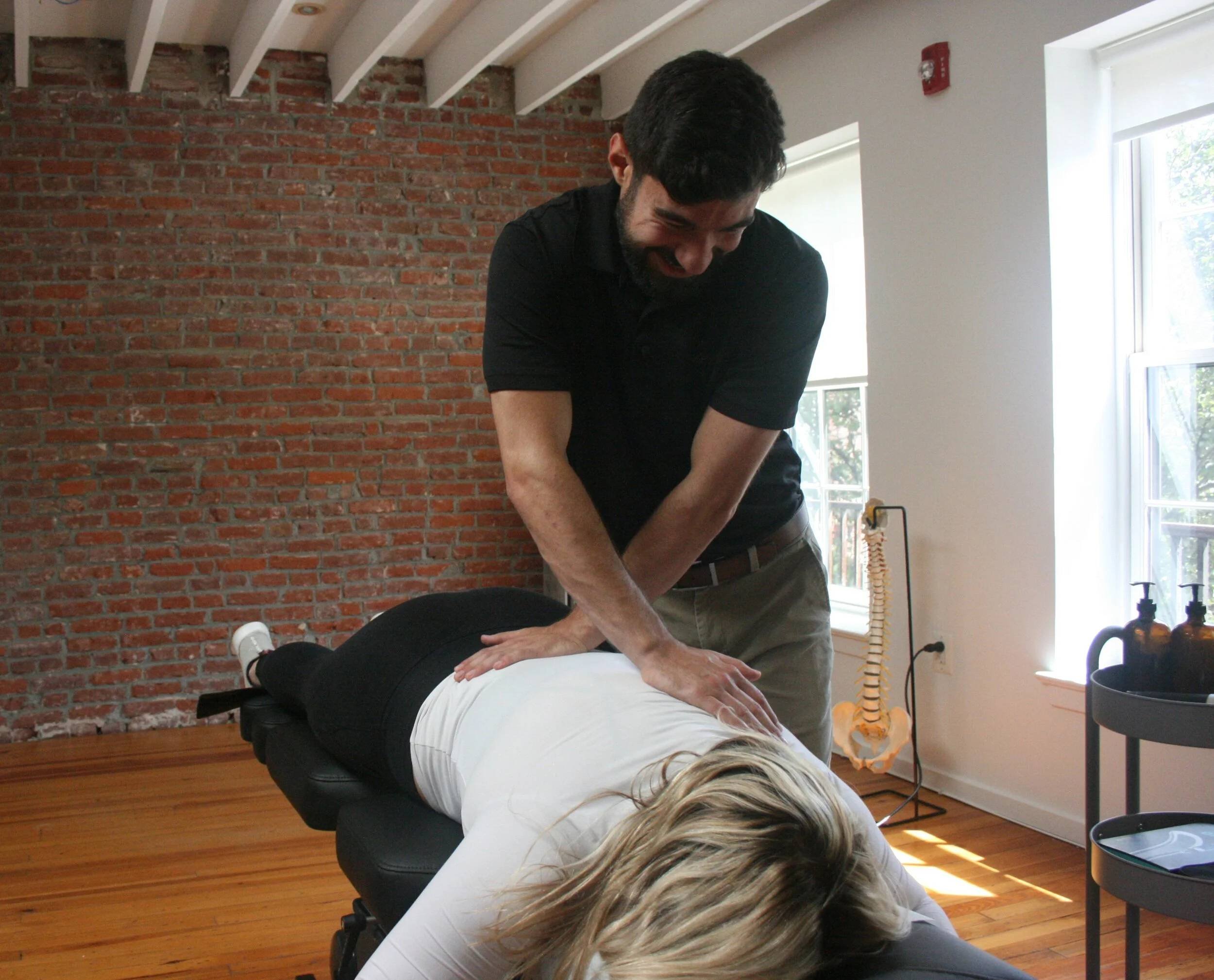
What Does a Chiropractic Adjustment Actually Do?
If you've ever visited a chiropractor, or thought about seeing one, there's a good chance you've wondered what a chiropractic adjustment actually does.
For some people, it's the popping sound that grabs their attention.
For others, it's the relief they feel afterward.
But despite how common chiropractic care has become, many people still aren't sure what an adjustment is, why chiropractors perform them, or how they help with pain and movement.
Let's break it down.
What Is a Chiropractic Adjustment?
A chiropractic adjustment, sometimes called spinal manipulation, is a technique used to restore movement to joints that have become restricted or aren't moving as well as they should.
During an adjustment, a chiropractor applies a quick, controlled force to a specific joint.
While adjustments are commonly performed on the spine, they can also be used on other joints throughout the body, including the:
Shoulders
Hips
Knees
Ankles
Wrists
Jaw (TMJ)
The goal isn't to force a joint back into place.
The goal is to improve movement, reduce discomfort, and help the body function more efficiently.
Why Do Joints Become Restricted?
Joints can lose mobility for many reasons, but most cases fall into two broad categories.
1. Acute Injuries
These are injuries that happen suddenly.
Examples include:
Sprained ankles
Falls
Sports injuries
Lifting injuries
Neck strains
Rotator cuff injuries
After an injury, surrounding muscles often tighten and joints may become less mobile as part of the body's protective response.
2. Repetitive Stress
Not all injuries happen in a single moment.
Sometimes the issue develops slowly over time.
Examples include:
Sitting at a desk for long hours
Repetitive lifting
Limited movement variety
Poor recovery habits
Sedentary lifestyles
Over time, these stresses can contribute to stiffness, discomfort, and reduced joint mobility.
What Causes the Popping Sound?
One of the most common questions we hear is:
"What's actually making that popping noise?"
The sound is called a cavitation.
When an adjustment is performed, pressure briefly changes inside the joint, allowing gas within the joint fluid to be released.
This creates the familiar popping sound.
Importantly, the sound itself is not what makes the adjustment effective.
Some adjustments produce a pop.
Others don't.
The goal is improved movement, not noise.
What Are the Benefits of Chiropractic Adjustments?
The primary goal of an adjustment is to improve joint mobility.
When a joint moves better, people often notice:
Reduced pain
Improved range of motion
Less stiffness
Better tolerance to activity
Improved movement quality
For many patients, adjustments are most effective when combined with other strategies such as:
Soft tissue treatment
Mobility exercises
Strength training
Rehabilitation programs
Activity modification
This is one reason why we view chiropractic care as one piece of a larger movement-based treatment plan.
What Conditions Can Chiropractic Adjustments Help?
Chiropractic adjustments are commonly used for both acute injuries and ongoing pain conditions.
Acute Injuries
Back pain from lifting
Neck strains
Sprained ankles
Rotator cuff injuries
Tennis elbow
Golfer's elbow
Pregnancy-related back pain
Chronic Conditions
Low back pain
Neck pain
Upper back pain
Disc herniations
Headaches
TMJ pain
Knee pain
Scoliosis-related discomfort
Thoracic outlet syndrome
Every individual is different, which is why a thorough evaluation is important before determining whether chiropractic care is appropriate.
Are Chiropractic Adjustments Safe?
For most people, chiropractic adjustments are considered a safe treatment option when performed by a qualified healthcare provider.
Like any treatment, they may not be appropriate for every condition or every patient.
A proper examination helps determine whether an adjustment is the right fit and whether other treatments should be included in the plan.
Chiropractic Care Works Best as Part of a Bigger Plan
Many people think chiropractic care is only about getting adjusted.
In reality, long-term results often come from combining adjustments with movement, exercise, and rehabilitation.
Pain relief is important.
But helping people move better, stay active, and return to the activities they enjoy is often the bigger goal.
At Momenta Chiropractic, adjustments are one of many tools we use to help active adults overcome pain and build confidence in their bodies again.
Frequently Asked Questions
What does a chiropractic adjustment do?
A chiropractic adjustment helps restore movement to restricted joints, reduce discomfort, and improve mobility.
Does every adjustment make a popping sound?
No. Some adjustments produce a popping sound while others do not. The effectiveness of the treatment is not determined by whether a pop occurs.
Can chiropractic adjustments help back pain?
Many people with low back pain experience relief from chiropractic care, especially when adjustments are combined with exercise and rehabilitation.
Are chiropractic adjustments safe?
For most individuals, chiropractic adjustments are considered safe when performed by a licensed and qualified provider.
How long do the effects of an adjustment last?
This varies from person to person. Long-term improvement often depends on addressing strength, mobility, activity habits, and the underlying factors contributing to the problem.