Movement Screens
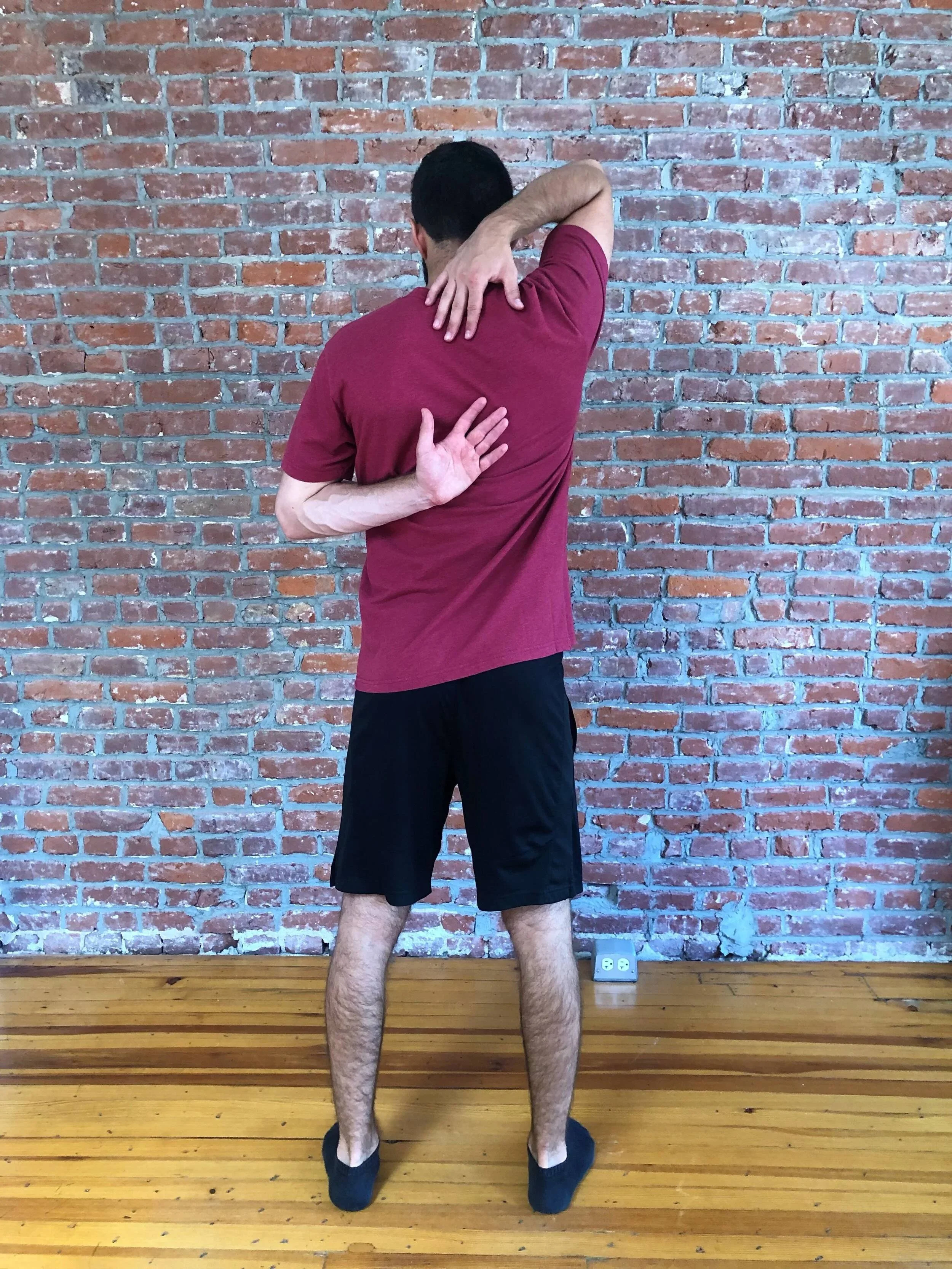
Why Your Pain Keeps Coming Back: The Importance of a Movement Assessment
One of the most frustrating things about pain is when it keeps returning.
Maybe your back feels better for a few weeks.
Then it flares up again.
Maybe your knee only hurts during squats.
Or your shoulder bothers you every time you get back into the gym.
For many people, the question becomes:
"Why does this keep happening?"
The answer isn't always found in an X-ray or MRI.
Sometimes the answer is found in how your body moves.
That's where a movement assessment comes in.
What Is a Movement Assessment?
A movement assessment, sometimes called a movement screen or functional movement screen, is a process used to evaluate how your body moves through fundamental movement patterns.
Rather than looking at a single joint or muscle in isolation, a movement assessment examines how multiple parts of the body work together.
For example, during a squat assessment, we may evaluate:
Ankle mobility
Hip mobility
Knee control
Core stability
Trunk position
Balance and coordination
The goal isn't to judge how well someone performs an exercise.
The goal is to understand how their body organizes movement.
Why Looking at Movement Matters
Pain doesn't always occur where the problem begins.
For example:
A person with knee pain may actually have limited hip mobility.
Someone with recurring low back pain may struggle with trunk stability or movement control.
A shoulder issue may be influenced by how the upper back moves.
When one area isn't functioning efficiently, another area often compensates.
Over time, those compensations can contribute to discomfort, reduced performance, and recurring injuries.
This is why movement analysis can provide information that imaging alone often cannot.
What Are We Looking For During a Movement Screen?
During a movement assessment, we look for patterns that may indicate dysfunction or inefficiency.
This can include:
Mobility Limitations
Joints that don't move well enough.
Examples include:
Limited ankle mobility
Restricted hip motion
Stiff thoracic spine
Stability Deficits
Areas that struggle to maintain control during movement.
Compensation Patterns
When the body finds alternative ways to complete a task because another area isn't doing its job effectively.
Painful Movements
Identifying which specific positions or movements reproduce symptoms often provides valuable clues.
Coordination Issues
How well different muscles and joints work together during movement.
Why Two People With the Same Diagnosis May Need Different Treatment
One of the biggest misconceptions in healthcare is that the diagnosis automatically tells us what treatment someone needs.
In reality, two people can have:
The same MRI findings
The same diagnosis
The same symptoms
And still require completely different treatment approaches.
Why?
Because their movement patterns may be completely different.
One person may need mobility work.
Another may need strength training.
A third may need better motor control.
The diagnosis is only part of the story.
How someone moves is often equally important.
How Movement Screens Help Prevent Future Injuries
Movement assessments aren't only useful after pain develops.
They can also help identify limitations before they become bigger problems.
For athletes and active adults, identifying movement restrictions early may help improve:
Exercise performance
Training capacity
Recovery
Injury resilience
Long-term movement quality
Think of it as understanding your body's operating system before something breaks down.
Common Conditions That Benefit From Movement Assessment
Movement screening is commonly used for people dealing with:
Low back pain
Neck pain
Shoulder pain
Hip pain
Knee pain
Sports injuries
Recurring injuries
Exercise-related pain
It's particularly helpful for people who have tried treatment before but continue experiencing the same issues.
Why We Use Movement Screens at Momenta Chiropractic
At Momenta, our goal isn't simply to reduce pain.
Our goal is to understand why the pain developed in the first place.
Movement screens help us identify:
Mobility limitations
Stability deficits
Compensation patterns
Movement inefficiencies
This information allows us to create treatment plans that are specific to the individual rather than relying on generic recommendations.
Because no two people move exactly the same.
And no two recovery plans should look exactly the same either.
Frequently Asked Questions
What is a movement assessment?
A movement assessment is an evaluation that examines how the body moves through fundamental movement patterns to identify limitations, compensations, and potential contributors to pain.
What is a functional movement screen?
A functional movement screen is a type of movement assessment that evaluates mobility, stability, balance, and movement quality.
Can a movement assessment help identify the cause of pain?
In many cases, movement assessments can reveal mobility restrictions, strength deficits, or compensation patterns that may contribute to symptoms.
Is a movement assessment only for athletes?
No. Anyone experiencing pain, stiffness, recurring injuries, or movement limitations can benefit from understanding how their body moves.
Can movement screens help prevent injuries?
Movement assessments can help identify limitations and movement patterns that may increase stress on certain tissues, allowing them to be addressed proactively.