Rehabilitative Exercise
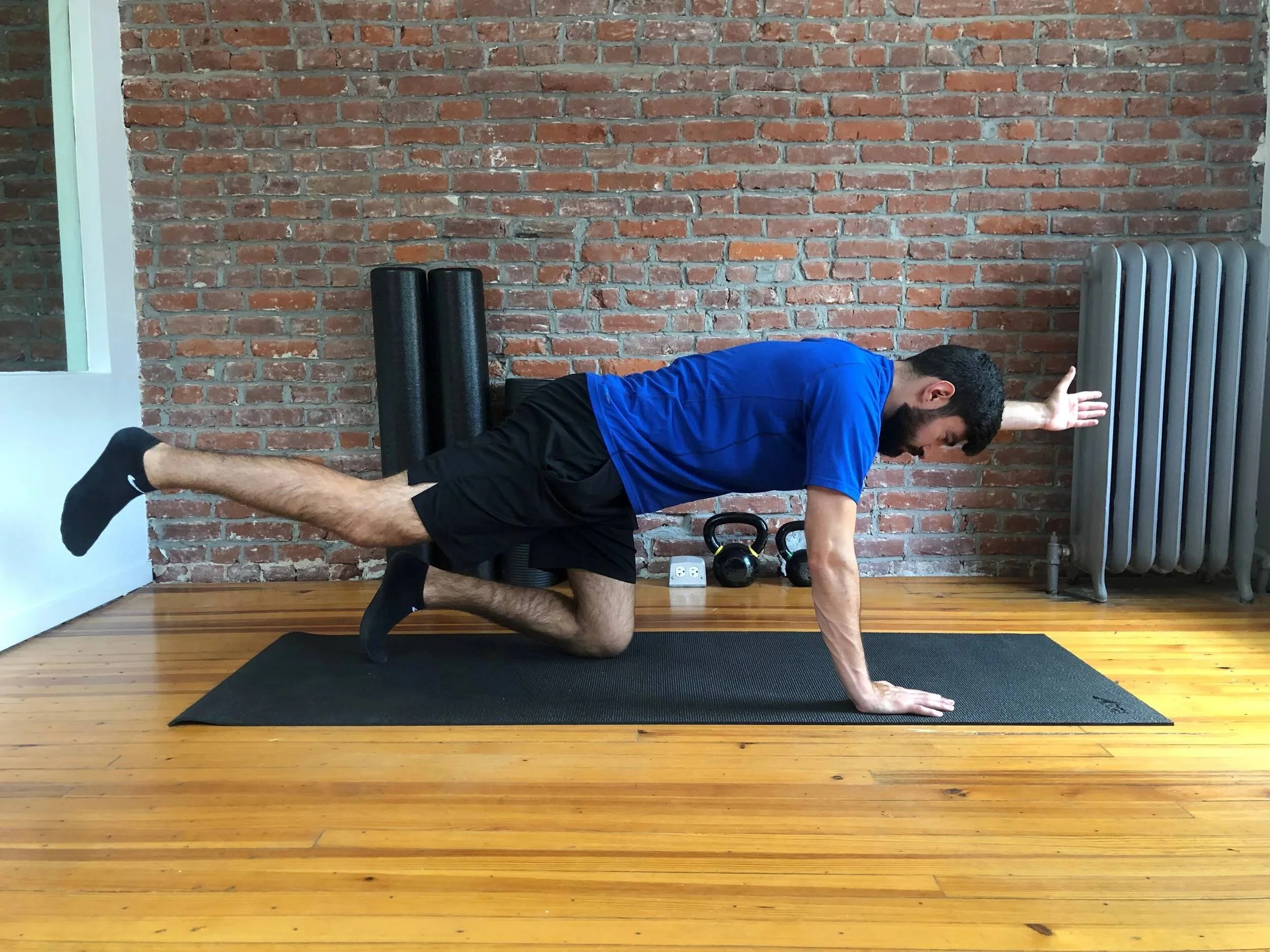
Why Rehab Exercises Matter More Than Temporary Pain Relief
When most people seek treatment for pain, they want one thing:
Relief.
And that's completely understandable.
If your back hurts, your shoulder is bothering you, or your knee pain is stopping you from doing the things you enjoy, feeling better is usually the first priority.
But there's an important question that often gets overlooked:
What happens after the pain improves?
Because while pain relief is valuable, it's not always the same thing as recovery.
That's where rehabilitative exercises come in.
What Are Rehabilitative Exercises?
Rehabilitative exercises are specific movements prescribed to help reduce pain, restore function, and improve how your body moves.
Unlike general fitness exercises, rehab exercises are selected based on:
Your injury
Your symptoms
Your movement patterns
Your goals
The activities you're trying to return to
The purpose isn't simply to exercise.
The purpose is to help your body regain the capacity to do what it needs to do.
Why Pain Relief Alone Isn't Always Enough
Many treatments can temporarily reduce pain.
Manual therapy.
Massage.
Heat.
Ice.
Adjustments.
These approaches can be valuable tools.
But if the factors contributing to the problem remain unchanged, symptoms often return.
For example:
Someone with recurring low back pain may experience relief after treatment.
But if they still struggle to stabilize their trunk, lack hip mobility, or continue moving in ways that overload their back, the problem often comes back.
This doesn't mean treatment failed.
It simply means pain relief was only one piece of the puzzle.
What Rehab Exercises Actually Do
A well-designed rehabilitation program can address several different factors that contribute to pain and movement limitations.
Depending on the individual, exercises may focus on:
Strength
Building the physical capacity needed to tolerate everyday activities, work demands, sports, and exercise.
Mobility
Improving joint movement and flexibility where restrictions are limiting function.
Stability
Helping the body better control movement and manage forces during activity.
Motor Control
Teaching the body to use the right muscles at the right time.
Muscle Activation
Helping underused muscles contribute more effectively.
Pain Reduction
Gradually exposing tissues to movement in a way that improves tolerance and confidence.
Every exercise serves a purpose.
The goal is not to create a hard workout.
The goal is to solve a specific problem.
Why Generic Exercise Programs Don't Always Work
One reason many people become frustrated with rehab is because they receive exercises that aren't specific to their situation.
Two people can have the same diagnosis but need completely different exercise programs.
Consider low back pain.
One person may benefit from improving hip mobility.
Another may need trunk stability.
A third may need to rebuild confidence in bending and lifting.
The diagnosis alone doesn't tell us which exercises are appropriate.
That's why assessment matters.
How Do We Decide Which Exercises Someone Needs?
Exercise selection should never be random.
Before prescribing exercises, we perform a detailed evaluation that may include:
Movement assessments
Mobility testing
Strength testing
Functional movement screens
Activity history
Injury history
The goal is to understand why symptoms developed in the first place and what limitations are preventing recovery.
Once those factors are identified, exercises can be chosen to address the specific needs of the individual.
Rehab Should Prepare You for Real Life
One of the biggest misconceptions about rehabilitation is that it ends when pain goes away.
In reality, rehab should prepare you to return to the activities that matter to you.
That might mean:
Picking up your kids without fear
Returning to running
Getting back to the gym
Playing golf comfortably
Hiking without limitations
Working without recurring pain
The best rehab programs don't just reduce symptoms.
They help build confidence and capacity.
Why We Believe Rehab and Training Are Closely Connected
At Momenta Chiropractic, we believe rehabilitation and training exist on the same continuum.
Both involve:
Progressive loading
Movement improvement
Strength development
Adaptation
The only difference is where someone starts.
For one person, that starting point may be walking comfortably again.
For another, it may be deadlifting, running, or returning to competitive sports.
Either way, the goal is helping people build a body that can handle the demands of their life.
Frequently Asked Questions
What are rehabilitative exercises?
Rehabilitative exercises are movements designed to reduce pain, improve function, and help people recover from injury.
Are rehab exercises different from regular exercise?
Yes. Rehab exercises are selected based on an individual's injury, symptoms, movement patterns, and goals.
Can exercises help chronic pain?
For many people, appropriately prescribed exercises can play an important role in managing chronic pain and improving function.
Why do I need an assessment before getting exercises?
Different causes of pain often require different exercise strategies. An assessment helps determine which exercises are most appropriate.
How long does rehabilitation take?
The timeline varies depending on the injury, goals, activity level, and consistency with the program.